Top 10 Benefits of Residential Solar Installation for Homeowners
In recent years, residential solar installation has gained significant traction among homeowners. According to John Smith, a renowned solar energy expert, "Solar energy is not just a trend; it’s the future of sustainable living." Homeowners are realizing the numerous benefits of opting for solar panels. Financial savings, energy independence, and environmental impact are just a few reasons driving this change.
The allure of residential solar installation lies in its potential to minimize electricity bills dramatically. Many families report saving hundreds annually. However, some hurdles exist. Initial installation costs can be daunting. Potential buyers often hesitate due to upfront expenses, despite long-term savings. It's crucial to weigh immediate costs against future benefits.
Moreover, the impact on home value can be surprising. Homes equipped with solar panels often sell faster and at higher prices. Still, not all installations yield the same results. Location, panel quality, and market conditions play significant roles. Homeowners must carefully assess these factors before diving into solar energy. Each decision involves consideration and reflection, making the switch a thoughtful process.

Benefits of Increased Home Equity through Solar Installation
Installing solar panels on a residential property not only provides energy benefits but also increases home equity. Home equity is the difference between a home’s market value and what is owed on the mortgage. As homeowners invest in solar energy, they can often see a rise in their property value, making this a savvy choice.
In some regions, adding solar panels can raise home values by thousands of dollars. This can appeal to potential buyers who prioritize energy efficiency. However, not all homes will see the same financial return. Factors like local market conditions play a crucial role. Additionally, some homeowners may struggle with financing or installation logistics.
While the initial investment can be significant, it’s essential to consider long-term gains. Homeowners looking to sell may find solar installations enhance their property’s appeal. Yet, educating oneself about local incentives and regulations is key. This research can help maximize the benefits and ensure a wise investment decision.
Significant Savings on Electricity Bills with Solar Energy
Installing solar panels can lead to significant savings on electricity bills. Homeowners often report a noticeable drop in their monthly energy costs. By harnessing sunlight, they reduce their reliance on traditional energy sources. This shift results in lower bills. It can even mean $100s saved each year. Many families find this relief especially welcoming amidst rising energy prices.
Transitioning to solar energy also offers financial predictability. Homeowners can lock in their energy costs for decades. Instead of facing unpredictable price hikes, there's a sense of stability. However, some might face challenges during installation. The initial investment can be daunting. Not everyone sees immediate returns.
Nevertheless, witnessing that monthly bill decrease can ignite hope. It's a tangible reward for the investment. Additionally, solar energy can increase property value. Homes with solar installations often sell faster. The appeal of lower energy costs attracts buyers. In the long run, investing in solar energy shows promise but requires commitment and reflection.
Environmentally Friendly Impact: Reducing Carbon Footprint
As homeowners transition to solar energy, the environmental benefits are striking. A report from the National Renewable Energy Laboratory reveals that residential solar installations can reduce household carbon emissions by up to 80%. This significant cut comes from decreased reliance on fossil fuels, which remain the primary energy source in many regions.
Moreover, solar installations can lead to a profound change in local air quality. The U.S. Environmental Protection Agency highlights that transitioning to solar can prevent over 100 million metric tons of carbon dioxide emissions annually. These reductions contribute to cleaner air and a healthier atmosphere for communities.
However, the shift is not without its challenges. Many homeowners may struggle with initial installation costs and the technical aspects of solar technology. Understanding these hurdles is crucial for a successful transition. Some may find the aesthetic changes to their rooftops unappealing or worry about maintenance over time. Ultimately, reflecting on these imperfections can help homeowners make informed decisions about embracing solar energy.
Tax Incentives and Rebates for Solar Panel Adoption
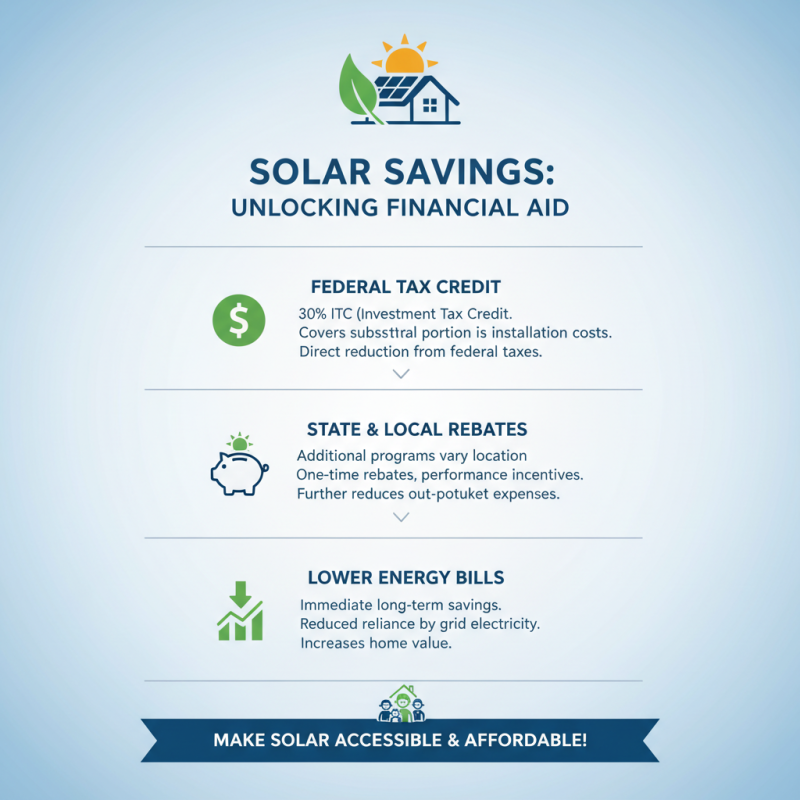
Tax incentives and rebates can significantly lower the cost of solar panel installation. Many homeowners are unaware of the financial help available to them. Federal tax credits can cover a substantial part of installation expenses. In some cases, state programs offer additional rebates that further reduce costs. This can make solar energy more accessible for families and individuals.
Navigating these incentives can be tricky, though. Each program has specific eligibility requirements. Homeowners must do their homework to find what applies to their situation. Some may miss out on benefits simply because they don't apply on time. Factors like income and property type can also affect eligibility. This adds a layer of complexity that can feel overwhelming.
For those who manage to navigate the process, the rewards can be substantial. Not only do tax breaks ease the upfront costs, but they also contribute to long-term savings. These savings can create opportunities for investment in other home improvements. Still, it’s essential to stay informed and proactive. Awareness of changing regulations is vital to maximize benefits.
Enhancing Energy Independence and Resilience with Solar Power
Residential solar installation offers significant advantages, particularly in enhancing energy independence. Homeowners can significantly reduce reliance on the grid. According to the U.S. Department of Energy, efficient solar systems can cover up to 80% of a home's energy needs, especially in sunny regions. This transition empowers families to control their energy sources and costs.
Tips: Evaluate your roof's exposure to sunlight. A south-facing roof can optimize energy production. Consider local incentives to maximize financial benefits.
Solar power provides resilience against rising energy costs. Homes equipped with solar can generate substantial savings over time. The National Renewable Energy Laboratory reports that homeowners save an average of $20,000 over 20 years. However, upfront costs can be a barrier. Explore various financing options to ease this transition.
Tips: Research state and federal rebates. These can significantly lower installation costs. Regular maintenance ensures the system operates efficiently and maximizes returns.
Embracing solar power is not without challenges. Some homeowners may feel overwhelmed by the installation process or technology. Engaging with professionals can help demystify these aspects and pave the way for a smoother transition. Taking this step today can create a more sustainable tomorrow.