
How to Choose a Sightseeing Vehicle in 2026?

Choosing a Sightseeing Vehicle in 2026 requires more than comparing prices and attractive exterior designs. A reliable choice must match the route, passenger demand, climate, and daily operating conditions. A vehicle used on a steep coastal road needs different strengths from one serving a flat museum district.

This guide focuses on practical evidence, including battery range, charging time, turning radius, braking performance, seating comfort, and weather protection. It also considers accessibility, maintenance records, warranty coverage, replacement parts, and operator training. These details often matter more than polished brochures. A short test drive can reveal uncomfortable seats, poor visibility, or noisy suspension that photographs hide.

Real conditions matter.

New technology creates useful possibilities, but it also introduces uncertainty. Electric models may reduce operating noise and local emissions, yet charging access and battery replacement costs deserve careful review. Connected features can assist fleet management, although they should not replace responsible human supervision. Independent inspections, manufacturer documentation, and feedback from current operators provide stronger evidence than promotional claims.

There is no perfect Sightseeing Vehicle for every destination. A compact model may improve maneuverability but limit luggage space. A larger vehicle may carry more guests but struggle in narrow streets. Weather, seasonal crowds, road gradients, and local service availability can change the decision completely. Buyers should question assumptions, compare total ownership costs, and leave room for needs they have overlooked. Careful selection protects passenger comfort, business reliability, and long-term value.
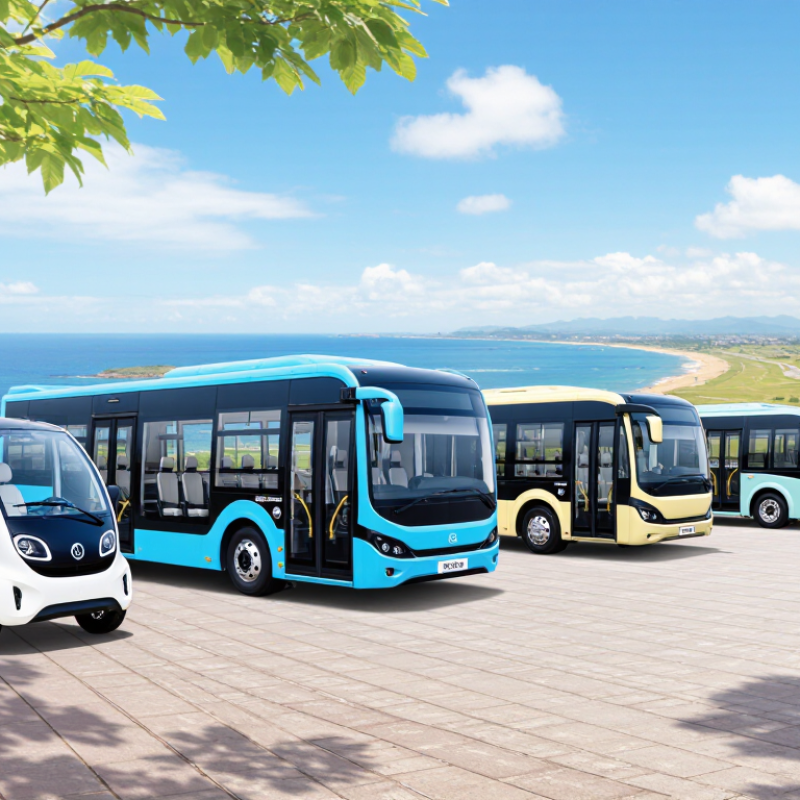
How to Choose a Sightseeing Vehicle in 2026?

Define the Mission Using ANSI/ITSDF B56.8 Vehicle Classifications

How to Choose a Sightseeing Vehicle in 2026?

Start with the mission, not the paint color. ANSI/ITSDF B56.8 covers personnel and burden carriers, so its classifications help clarify the vehicle’s main duty. A personnel carrier is designed to move passengers comfortably and safely. A burden carrier focuses on cargo, equipment, or supplies. A combination vehicle serves both purposes, but compromises may appear. More seats can reduce cargo space. More payload can reduce passenger comfort.

Walk through the actual route before choosing. Count passengers, luggage, staff, ramps, turning points, and daily operating hours. A vehicle carrying twelve visitors on smooth paths has different needs from one moving tools across uneven service roads. Check the rated capacity, braking system, steering response, guards, visibility, and boarding access. Confirm that the proposed configuration matches the current B56.8 requirements and the manufacturer’s technical documentation.

Do not judge capacity by an attractive brochure number. Ask how the vehicle performs when fully loaded, during repeated stops, or on a slope. Battery range may also change with temperature, hills, and passenger weight. That detail is easy to miss. A quieter vehicle may improve guided tours, while durable flooring helps with wet shoes and dropped equipment. The best classification is the one that reflects the real mission, even when that exposes an inconvenient limitation.

Match Capacity to Peak Demand, Route Length, and 15% Operating Reserve

How to Choose a Sightseeing Vehicle in 2026?

Match Capacity to Peak Demand, Route Length, and 15% Operating Reserve

Choosing a sightseeing vehicle starts with real passenger patterns, not the quietest weekday. Count visitors during holidays, school breaks, and event arrivals. A vehicle carrying 28 passengers on average may need 40 seats at peak demand. Otherwise, queues grow, departures become tense, and guides lose valuable time.

Route length changes the decision. A compact electric vehicle can suit short loops with frequent charging access. Longer routes require careful checks of battery range, road gradients, weather, and passenger turnover. Measure the steepest section, not just the total distance. A full vehicle climbs differently from an empty one. That detail is easy to miss.

Keep a 15% operating reserve for capacity planning and daily reliability. This reserve can cover unexpected groups, minor delays, reduced battery performance, or temporary seat loss. It should not become an excuse for oversized vehicles. Oversizing raises energy use and may reduce maneuverability on narrow paths.

I once favored maximum capacity for flexibility, but the larger vehicle created awkward boarding points. The decision needed more observation.

Record actual loads, boarding times, and route interruptions for several weeks. Then compare comfort, operating cost, and usable range. Numbers help, but passenger flow often reveals what a spreadsheet misses.

Verify Accessibility with ADA’s 32-Inch Opening and 1:12 Ramp Standard

How to Choose a Sightseeing Vehicle in 2026?

Accessibility should be measured, not assumed. The CDC Disability and Health Data System reports that about one in four U.S. adults has a disability. That makes inclusive vehicle planning a practical need, not a marketing detail. Check the doorway’s clear opening. The 2010 ADA Standards specify at least 32 inches for accessible routes. Measure the usable space with doors fully opened and equipment installed.

Ramp design deserves equal attention. The ADA standard uses a maximum slope of 1:12. Each inch of rise needs at least 12 inches of ramp length. A 10-inch step therefore needs 120 inches of run. Steeper ramps may look acceptable in photographs, yet they can feel unsafe with a mobility device, wet flooring, or a crowded curb. The ADA Standards generally address buildings and facilities, so confirm the vehicle’s applicable transportation requirements with a qualified accessibility professional.

Tips: Ask for a dimension sheet, not only the word “accessible.” Test the ramp with a real wheelchair or scooter when possible. Check handrails, edge protection, turning space, restraint points, and the driver’s sightline. I have learned that a perfect specification can still fail during boarding. A narrow approach angle, poor lighting, or luggage near the ramp can change the experience completely. Leave space for human error. Recheck measurements after seating, lifts, and storage systems are fitted.

Compare EV, Hybrid, and ICE Costs by kWh/100 km and L/100 km

Choosing a sightseeing vehicle in 2026 requires more than checking its seating capacity. Energy cost often shapes daily profit, especially on repeated city routes.

An electric vehicle may use 18–28 kWh/100 km, depending on passenger load, hills, air conditioning, and speed. Multiply that figure by your local electricity rate. For example, 24 kWh/100 km at $0.18 per kWh costs $4.32 per 100 km. Charging losses can add roughly 10%, so real invoices may be higher. Keep records.

A hybrid commonly consumes 4.5–7.0 L/100 km in slow, stop-start traffic. At $1.70 per litre, 5.5 L/100 km costs $9.35 per 100 km. An ICE vehicle may use 8–12 L/100 km, producing a higher fuel bill on crowded routes.

However, an EV can lose its advantage when fast charging is expensive or downtime reduces available tours. That detail is easy to miss.

Test each vehicle on the actual route, not only the dealer’s smooth demonstration circuit. Measure kWh/100 km or L/100 km with a full passenger load. Include steep streets, waiting periods, and evening heating or cooling.

A hybrid may suit mixed routes with limited charging access. An ICE vehicle can remain practical for long rural tours and quick refuelling.

My own route comparisons were imperfect because weather and passenger weight changed daily. Repeating the test over several weeks gives more dependable figures. Keep the meter readings beside maintenance, tyre, and charging costs.

Audit Lighting, Braking, and Visibility Against FMVSS 108 and 135

How to Choose a Sightseeing Vehicle in 2026?

A sightseeing vehicle should pass a practical lighting and braking audit before purchase. FMVSS 108 governs lamps, reflectors, and required visibility equipment. Check headlamp aim, turn-signal timing, marker lamps, and rear reflectors at dusk. Small defects become serious near crowded stops. NHTSA reported 7,522 pedestrian deaths in 2022, highlighting the cost of poor nighttime visibility.

FMVSS 135 specifies passenger-vehicle braking performance, including stopping distance, fade resistance, and warning indicators. However, not every sightseeing vehicle falls within its exact scope. Verify the vehicle’s classification, weight, and seating design before relying on a compliance claim.

During a road test, measure stopping distance on a dry surface, then repeat after repeated braking. Record pedal feel, steering stability, and warning-light behavior. My own audit habit is simple: photograph every test result. Memory is unreliable.

Tips: Use a calibrated light meter and a measured braking route. Inspect lamps from a pedestrian’s eye level, not only from the driver’s seat. Ask for a current FMVSS certification record and the latest service logs. NHTSA’s Traffic Safety Facts reports remain useful references, but they do not replace an independent inspection. One uncomfortable question matters: would a visitor see this vehicle clearly in rain? If the answer is uncertain, keep testing.