10 Essential Tips to Install Your Own Solar Panels?
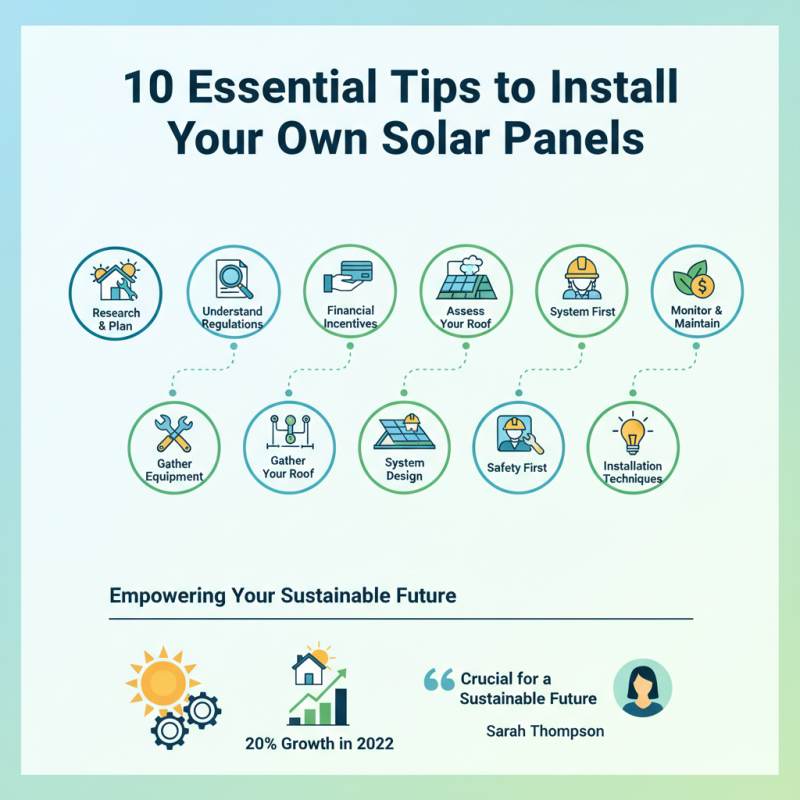
As the world shifts towards renewable energy, many homeowners are eager to install their own solar panels. According to the Solar Energy Industries Association (SEIA), residential solar installations grew by 20% in 2022 alone. This surge highlights both environmental awareness and financial incentives, as homeowners realize the long-term savings on energy bills. Industry expert Sarah Thompson, a leading solar consultant, emphasizes, "Empowering homeowners to install their own solar panels is crucial for a sustainable future."
However, the journey to self-installation is not without challenges. Many DIY enthusiasts underestimate the complexities involved in solar panel systems. From understanding local regulations to ensuring proper installation techniques, the experience can be daunting. Incorrect installations can lead to efficiency loss and even safety hazards. It's vital to approach the process with a reflective mindset, recognizing the need for ongoing learning and adaptation.
In addition, while numerous resources are available, finding reliable information can be tricky. Many guides lack comprehensive details, leaving potential installers frustrated. Therefore, it's essential to seek expert advice and tap into the right community resources before diving into the project. Engaging in this journey to install your own solar panels not only contributes to personal savings but also supports broader sustainability goals.
Understanding Your Solar Energy Needs and Goals
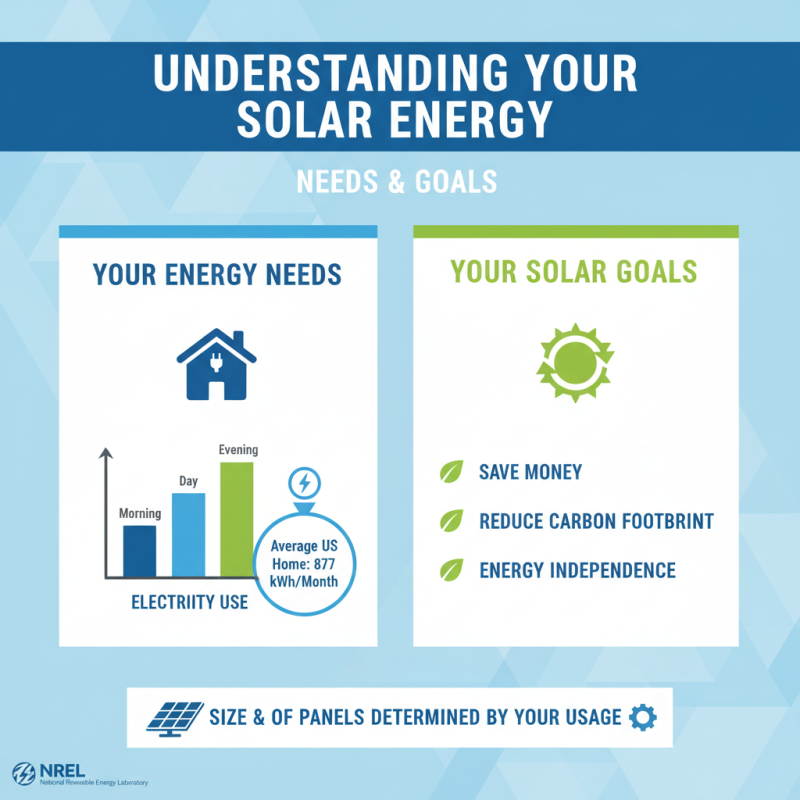
When considering solar energy, it's crucial to assess your needs and goals. Electricity consumption patterns vary among households. According to the National Renewable Energy Laboratory, the average American home uses about 877 kWh per month. Understanding your energy consumption will help you determine the size and number of solar panels required.
Your location plays a significant role in solar efficiency. The sunnier your area, the better the potential energy output. For instance, areas with high solar irradiance can generate more than 1,200 kWh per panel annually. This data can guide you in estimating potential energy savings.
Setting specific energy goals is also crucial. Do you want to reduce your carbon footprint? Or are you aiming for energy independence? Defining these goals will keep you motivated throughout the installation process. Regularly reviewing your energy usage can help refine goals and expectations. Remember, solar energy systems require maintenance and can have performance variations based on environmental factors. Consider these aspects during planning.
Choosing the Right Type of Solar Panels for Your Installation
Choosing the right type of solar panels is crucial for a successful installation. There are several options on the market, each with distinct features. Monocrystalline panels are known for their high efficiency and space-saving design. However, their cost can be higher. Polycrystalline panels are more affordable, but they generally offer lower efficiency. Consider your budget and energy needs carefully.
Another option is thin-film solar panels. These are lightweight and flexible. However, they require more space for the same energy output. Durability is also a concern with some thin-film models. It's essential to weigh these factors based on your rooftop or ground conditions.
When selecting solar panels, pay attention to their performance warranties. A long warranty often reflects reliability and durability. Research independent reviews and ratings to find trustworthy insights. This information can guide your decision, reducing the risk of installation errors. It’s a balancing act, and a misstep could lead to wasted investments. Always double-check your findings to ensure a solid choice.
10 Essential Tips to Install Your Own Solar Panels - Choosing the Right Type of Solar Panels for Your Installation
| Tip Number |
Tip Description |
Solar Panel Type |
Efficiency Range (%) |
Typical Lifespan (Years) |
| 1 |
Determine Your Energy Needs |
Monocrystalline |
15-22 |
25-30 |
| 2 |
Check Local Regulations |
Polycrystalline |
13-17 |
20-25 |
| 3 |
Choose the Right Location |
Bifacial |
15-20 |
25-30 |
| 4 |
Calculate Your Roof Size |
Thin-Film |
10-12 |
10-20 |
| 5 |
Select the Right Mounting System |
Building-Integrated |
12-18 |
20-30 |
| 6 |
Understand the Inverter Options |
Multijunction |
20-30 |
25-30 |
| 7 |
Plan for Orientation and Tilt |
Concentrated Photovoltaics |
25-35 |
30-40 |
| 8 |
Connect with Local Installers |
High Efficiency |
20-25 |
25-30 |
| 9 |
Evaluate Financial Incentives |
Standard Efficiency |
15-18 |
20-25 |
| 10 |
Maintain Your System Regularly |
Flexible Solar Panels |
10-15 |
10-15 |
Planning Your Solar Panel Layout and Installation Site
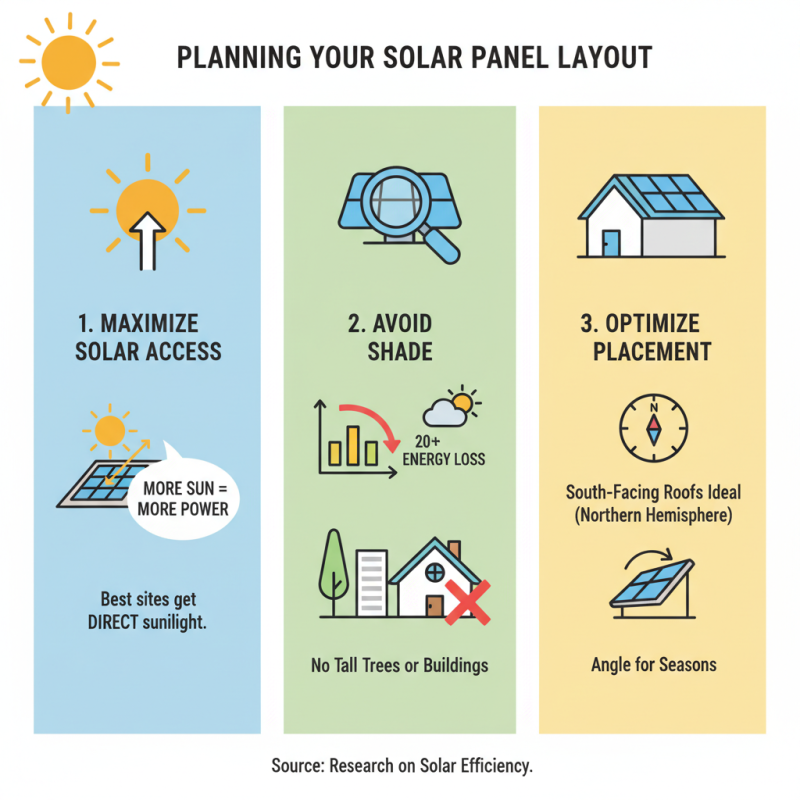
When planning your solar panel layout and installation site, consider solar access. The best sites receive maximum sunlight. Research shows that even a small amount of shading can cut energy production by 20% or more. Therefore, avoid placing panels near tall trees or buildings that could obstruct sunlight.
Orientation is critical. South-facing roofs typically offer the best exposure in the Northern Hemisphere. The angle of installation also impacts efficiency. A tilt of 30 to 45 degrees can optimize energy capture, according to industry reports. However, not all roofs can accommodate this angle, leading to potential reflection issues. You must evaluate your roof's characteristics carefully, including its direction and pitch.
Take the time to measure available space accurately. Each panel requires additional room for installation and maintenance. Miscalculating space can lead to a cramped setup, impacting your system's overall performance. Lastly, local regulations may impose specific restrictions. Ensure your layout complies with these guidelines; otherwise, you might face unexpected setbacks.
Gathering Essential Tools and Materials for the Installation
Installing solar panels can be an empowering project. Proper preparation is key. One crucial aspect is gathering the right tools and materials. Start with essential tools like a drill, a wrench set, and safety gear. These tools help ensure a safe installation process. According to the Solar Energy Industries Association (SEIA), proper tools can improve efficiency during installation by up to 30%.
Beyond tools, consider the materials required. You will need solar panels, mounting hardware, and inverters. Each component plays a vital role in the energy system. Make sure to check compatibility between your panels and inverters. A mismatched system may lead to poor performance. Reports indicate that solar energy systems can underperform by over 15% if not correctly configured.
Prepare your workspace for safety and accessibility. A cluttered area can lead to accidents and delays. Ensure good ventilation and minimize hazards. Reflect on the importance of double-checking every step.
Missing a single component can derail the entire project. Having a checklist can minimize errors. According to data from the National Renewable Energy Laboratory (NREL), a well-planned installation can save homeowners 20% on future maintenance costs.
Understanding Local Regulations and Permits for Solar Panel Installation
Installing solar panels can be a great investment, but don’t overlook local regulations. Each municipality has specific rules. You may need permits before starting installation. Check with your local government for guidance. This step can prevent costly delays later on.
Understanding local zoning laws is crucial. Some areas have restrictions on where panels can be placed. For example, panels may not be allowed on certain roof types. Researching these rules can save you headaches during the installation process.
Engaging with your community can provide insights. Talk to neighbors with solar panels. Their experiences might help illuminate the permitting process. Remember, each region is unique, so what works in one area may not apply in another. Always stay informed to ensure a successful installation.