Are Free Home Solar Panels the Best Choice for 2026?
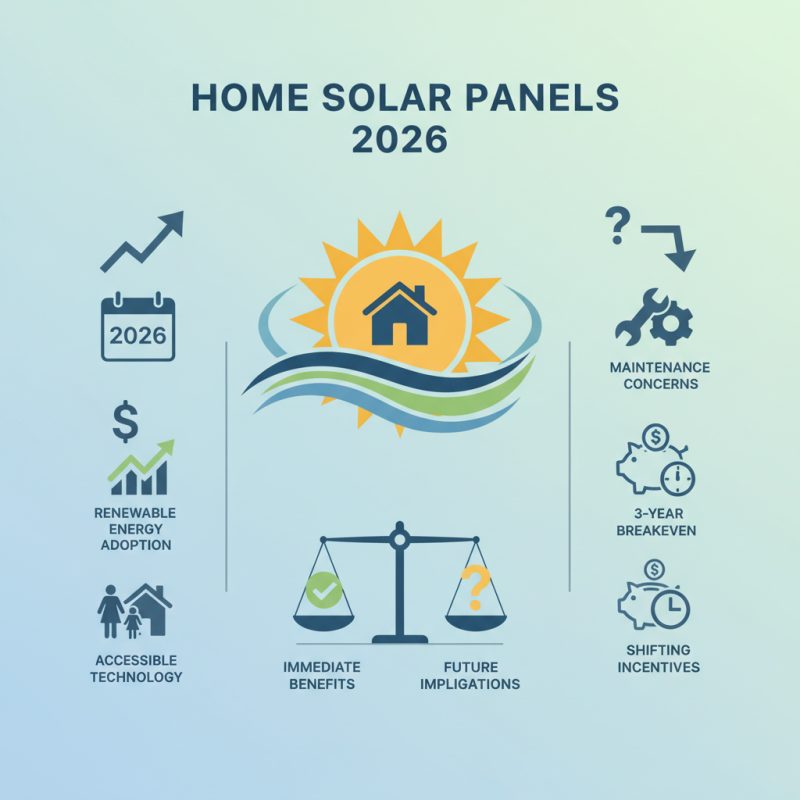
As we look ahead to 2026, the concept of "free home solar panels" continues to capture the attention of homeowners and industry experts alike. Numerous studies indicate a growing trend toward renewable energy adoption. According to the U.S. Energy Information Administration, solar energy accounted for nearly 4% of total electricity generation in recent years, highlighting its increasing significance. Free home solar panel programs aim to make this technology accessible to more families, facilitating their transition to clean energy.
However, not all that glitters is gold. Many homeowners question the actual benefits of these free offers. Reports suggest that while installation costs can be waived, maintenance fees might remain. In fact, around 30% of users express concerns over hidden costs associated with such programs. Additionally, the average solar panel installation takes about three years to break even economically. This raises questions about whether free panels truly represent the best choice in a rapidly evolving market.
Furthermore, as government incentives shift, potential long-term savings might be jeopardized. Homeowners should carefully assess their options. It's essential to consider all factors before committing to free home solar panels. Balancing immediate benefits with future implications is key to making an informed decision.
The Rise of Free Home Solar Panel Programs in 2026
As 2026 approaches, free home solar panel programs are becoming increasingly popular. Homeowners are looking for ways to reduce energy costs. Many local governments and organizations offer incentives to promote solar energy. These programs aim to make solar power more accessible for everyone, not just the affluent.
However, not all free solar panel offers are ideal. Some programs may have hidden fees or long-term commitments that could be problematic. It’s essential for homeowners to read all the terms carefully. They should also consider the installation process and potential maintenance costs. Research shows that some residents miss out on energy savings due to inadequate planning.
While these programs can help protect the environment, they require diligence. Homeowners must evaluate whether free solar panels truly meet their energy needs. It’s important to weigh the benefits against possible drawbacks. Making an informed choice will ensure a more sustainable future.
Are Free Home Solar Panels the Best Choice for 2026? - The Rise of Free Home Solar Panel Programs in 2026
| Category |
Percentage of Households Utilizing Free Panels |
Average Savings per Year |
Installed Capacity (MW) |
Environmental Impact (CO2 Reduction per Year in Tons) |
| Urban Areas |
35% |
$1,200 |
300 |
600,000 |
| Suburban Areas |
45% |
$1,500 |
400 |
800,000 |
| Rural Areas |
25% |
$1,000 |
200 |
300,000 |
| Overall Average |
35% |
$1,233 |
300 |
600,000 |
Evaluating the Cost-Effectiveness of Free Solar Panels
As we approach 2026, the idea of free home solar panels becomes increasingly appealing. However, evaluating their cost-effectiveness is essential. While these panels may come with no upfront costs, other related expenses can add up over time. Maintenance, installation fees, and potential penalties can catch homeowners off guard.
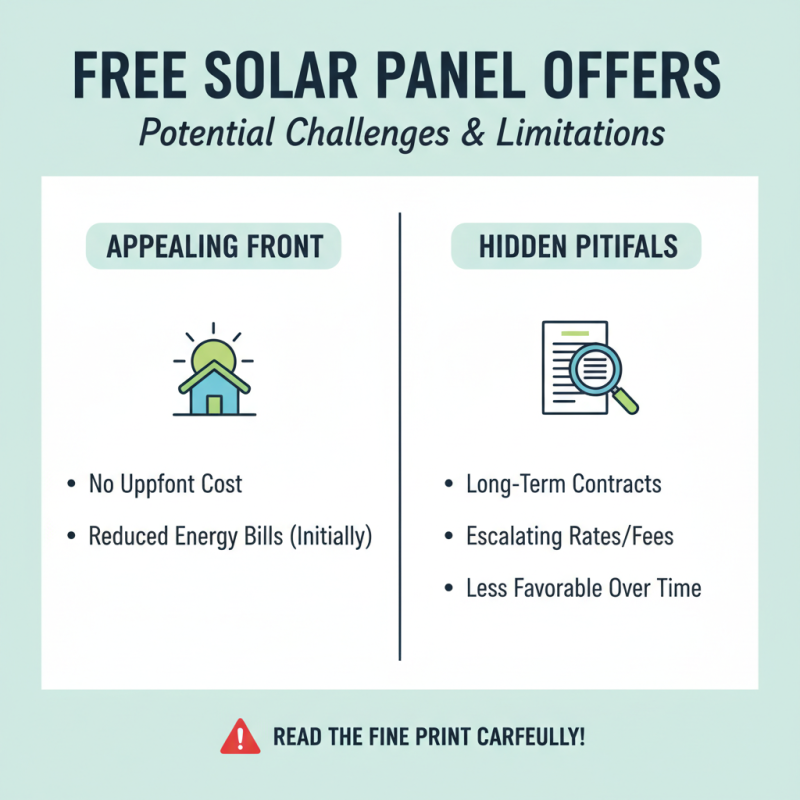
One important consideration is the long-term savings. Free solar panels might seem like a great deal, but it’s vital to understand contracts fully. Read every clause carefully. Sometimes, companies require excessively long commitments that limit flexibility. When evaluating options, focus on total energy savings versus hidden costs.
Tips: Consider getting quotes from multiple providers. Comparing offers helps identify the best deal. Research local incentives too. Sometimes, municipalities or states offer grants or bonuses for solar energy. Always ask about warranty details. A robust warranty can save future repair costs. Balancing the pros and cons is crucial. Free sounds great, but reality can differ. Make informed decisions for your home.
Cost-Effectiveness of Free Home Solar Panels in 2026
Benefits of Installing Free Solar Panels for Homeowners
Homeowners are increasingly considering
free solar panel installations as a viable option. These programs can significantly reduce electricity bills.
The push for renewable energy also means less reliance on fossil fuels. It is beneficial for the environment
and can enhance property value. However, not every solar program is equal. Homeowners must research contracts
and terms thoroughly before signing.
Some programs may appear attractive but could impose hidden fees or long-term commitments.
Understanding system maintenance is crucial. Some companies offer free installations but may lack
after-sales support. A well-informed homeowner should consider local regulations
and potential energy savings. The goal is not just to save money but also to ensure a seamless solar experience.
The benefits extend beyond financial savings. Solar panels contribute to sustainable living,
aligning with a greener lifestyle. This transition also cultivates a sense of community responsibility.
Embracing solar energy can inspire neighbors to follow suit. While there may be challenges,
the overall impact on the environment is significant. Investing time in research can lead to rewarding outcomes.
Potential Challenges and Limitations of Free Solar Panel Offers
As the allure of free home solar panels grows, potential challenges and limitations deserve careful consideration. Many offers seem appealing, yet they often bury fine print that may surprise homeowners later. For instance, some contracts require long-term commitments or lock-in rates that can increase. This hidden aspect can make free installations less favorable over time.
Moreover, the quality of the panels is a crucial factor. Some companies may use lower-quality materials to cut costs, which could result in reduced efficiency. Homeowners might end up facing higher electricity bills if their solar panels do not perform as expected. Maintaining these systems can also lead to unexpected costs, particularly if warranties are lacking or ambiguous.
Additionally, homeowners should consider the impact on property value. Free solar leases often mean the panels remain the property of the installer. When selling a home, this can complicate matters. Buyers may hesitate to assume solar obligations, potentially lowering the sale price. It's essential to weigh these factors carefully before jumping into a seemingly cost-free option.
Future Trends in Home Solar Energy Solutions Beyond 2026
The future of home solar energy solutions will likely shape residential life significantly. By 2026 and beyond, advancements in solar technology could lead to more efficient panels. Homeowners may witness increases in energy savings and reduced reliance on traditional power grids. New materials might become available, enhancing energy capture and storage.
Considering this shift, we must question the sustainability of current models. Are free home solar panels truly beneficial in the long run? Free installations often involve long-term contracts, which can lead to unexpected fees. It's crucial for homeowners to evaluate whether initial savings outweigh potential hidden costs. Transparency in solar panel contracts is essential for informed decision-making.
Moreover, government incentives may evolve, impacting solar energy economics. Policymakers will need to strike a balance between promoting renewable energy and ensuring consumer protection. As we anticipate the changes, awareness and education about solar technology will become vital. Homeowners should stay informed to navigate the complexities effectively.