How to Go Solar in California?

Going solar in California can lower electricity costs, improve energy resilience, and reduce household emissions. Yet the decision is rarely as simple as placing panels on a sunny roof. Utility rules, roof condition, shade, financing, and battery storage can change the outcome. The strongest plans begin with careful measurements and realistic energy goals.

A homeowner should review twelve months of electric bills before requesting solar quotes. Those bills reveal seasonal demand, expensive evening usage, and possible future changes, such as an electric vehicle. A qualified, licensed contractor can assess roof age, panel placement, wiring, and local permitting requirements. Ask for clear production estimates, equipment warranties, maintenance terms, and projected savings under your utility’s current rate structure. Check official utility and government sources, because incentives and interconnection policies may change.

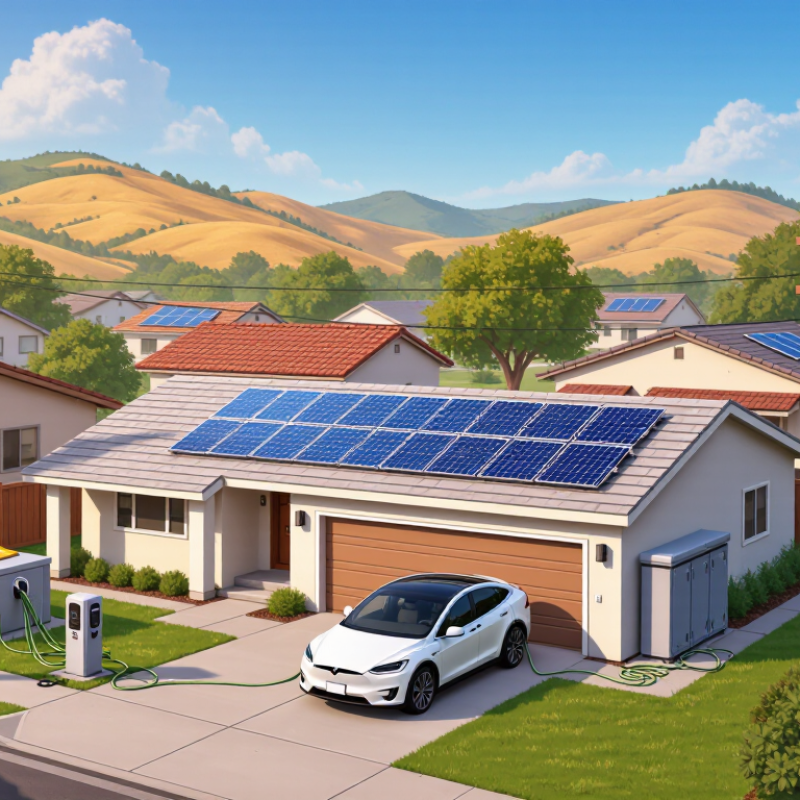
California’s newer compensation rules make battery storage more important for many homes. Solar panels may produce excess power at noon, while household demand rises after sunset. A battery can shift that energy into the evening, but its price, warranty, and backup capacity deserve close review. Going solar in california is not automatically the cheapest choice for every property. It depends on usage, financing, roof life, and the length of home ownership. Some estimates look impressive.

Look closer.

This guide explains the process from site evaluation to system activation. It also highlights common sales promises, overlooked fees, and questions worth asking before signing. The goal is not to sell a system. It is to help California homeowners make a defensible, informed decision with evidence they can verify.

How to Go Solar in California?

Understanding California’s Solar Energy Potential and Requirements

How to Go Solar in California?

Understanding California’s Solar Energy Potential and Requirements

California offers strong solar potential because of its long daylight seasons and generally dry climate. However, sunlight varies by location, roof angle, shade, and wildfire smoke. A south-facing roof often performs well, but east- and west-facing roofs can also produce useful energy. A professional site assessment should check trees, roof age, structural strength, and electrical capacity before installation. Small details matter.

California does not require every existing home to install solar. However, many newly constructed residential buildings must meet state energy-code requirements for solar, with specific exceptions and compliance options. Homeowners usually need permits from their city or county, an electrical inspection, and approval for grid interconnection. A properly licensed contractor should prepare the system design and handle code-compliant installation. Requirements can differ between jurisdictions.

Energy economics also depend on the utility’s current rate structure. Export credits may be less valuable than electricity used at home, making a battery useful for evening demand. Yet storage is not automatically the best choice for every household. It adds cost, maintenance, and replacement concerns. Ask for production estimates based on local weather, not perfect sunshine assumptions. My own planning preference would be cautious: compare several seasons of electricity bills, confirm roof condition, and review the latest tariff before signing anything. The first estimate is rarely the final answer.

Evaluating Your Home’s Solar Needs, Costs, and Financial Options

How to Go Solar in California?

Evaluating Your Home’s Solar Needs, Costs, and Financial Options

California homeowners should begin with twelve months of electricity bills, not a sales estimate. Compare summer peaks, winter usage, and future changes, such as an electric vehicle. A south-facing roof usually performs well, but roof angle and shading also matter. Even small shadows reduce output. Measure carefully. A licensed solar professional should inspect the roof, electrical panel, attic access, and local permitting requirements. Ask for estimated annual production, not only the panel count.

System costs depend on equipment, labor, roof conditions, and battery storage. A battery may improve backup power and self-consumption, especially under California’s current net-billing structure. However, it can increase the upfront price substantially. Cash usually offers the clearest ownership economics, while a solar loan spreads payments over time. Leases and power-purchase agreements may require less initial money, but contract terms can affect home sales and long-term savings. Read every clause.

Federal tax rules and local incentives can change, so confirm eligibility with a qualified tax professional and your utility. Keep invoices and permission-to-operate documents. Some estimates look attractive on paper. Actual production changes with smoke, heat, equipment aging, and household habits. One overlooked cost is roof repair. If replacement may be needed soon, complete it before installation. Compare at least three proposals, including warranties, battery replacement assumptions, monitoring access, and removal responsibilities. The cheapest offer is not always the safest financial choice.

Choosing a Qualified Solar Installer and Designing Your System

Going solar in California starts with choosing a qualified installer, not comparing colorful online estimates. Ask for the installer’s current state license, insurance, training records, and local project references. A professional should explain permits, utility interconnection, inspections, warranties, and expected maintenance in plain language. Check whether the proposal lists panel placement, equipment ratings, labor costs, and battery options separately. Vague numbers deserve questions.

A reliable installer will inspect your roof, electrical panel, shading, and annual electricity use. During a site visit, ask how winter production and coastal weather affect the design. The system should match your home’s daytime demand, future changes, and backup priorities. Oversizing may increase costs without improving value. Undersizing can leave you buying more electricity than expected. Review the current utility compensation rules, because California tariffs can change and vary by service area.

Good design also considers roof age, fire access, wiring routes, and emergency shutoff requirements. Request production estimates based on realistic shading, not perfect sunshine. I would question any promise of guaranteed savings without reviewing your bills and financing terms. Even a careful design may miss a tree’s seasonal shadow or an aging breaker panel. Leave room for correction. Before signing, compare at least three detailed proposals and keep every document, approval, and inspection record.

Completing Permits, Interconnection, and Utility Approval

How to Go Solar in California?

Completing Permits, Interconnection, and Utility Approval

Going solar in California starts with accurate paperwork, not rooftop panels. A licensed solar contractor usually prepares the electrical plan, equipment details, site layout, and structural information. The local building department, often called the authority having jurisdiction, reviews these documents. Requirements vary by city and county. Never assume one approval covers every location.

Small details matter. The panel count must match the electrical diagram. The main service rating must support the proposed system. Battery installations may require additional fire-safety documents. A missing load calculation can delay review. So can an outdated roof plan. Ask for a permit copy and confirm that the approved design matches the equipment installed.

After installation, the local inspector checks wiring, labels, grounding, and structural attachments. Do not activate the system before receiving permission to operate. The utility typically reviews an interconnection application, studies the system size, and confirms the meter connection. Approval may require corrected documents or a second inspection. Timelines change with local workload and system complexity. Keep every approval email, inspection result, and revised drawing. The process can feel repetitive. It is also where careful records prevent expensive confusion.

Installing, Monitoring, and Maintaining Your California Solar System

Installing solar in California begins with the roof, not the panels. Have a licensed contractor inspect roof age, shade, electrical capacity, and structural condition. Ask for a written design showing panel placement, expected production, equipment warranties, permits, and interconnection responsibilities. Local rules and utility requirements can differ. Confirm them before signing.

After approval, learn the monitoring system instead of checking it only on sunny days. Compare daily production with weather, seasonal patterns, and your household’s electricity use. A cloudy morning should not cause panic, but a sudden weeklong drop deserves attention. Review alerts, meter readings, and energy bills together. Keep installation documents and production records in one secure folder. They can support warranty requests and future repairs.

Maintenance is usually simple, but it is not completely hands-off. California dust, pollen, and wildfire smoke can reduce output. Rain is not always enough. If panels look heavily soiled, ask a qualified professional whether gentle cleaning is appropriate. Never climb onto a roof without proper training and safety equipment. Keep nearby trees trimmed, while avoiding damage to panels or wiring. Inspect visible cables after severe weather, but do not open electrical equipment yourself. A common mistake is assuming a new system needs no attention. I would rather schedule a seasonal review than discover a problem after months of lost production. Estimates can also be imperfect, so compare real performance with the original design and question unexplained gaps.

How to Go Solar in California? – Installing, Monitoring, and Maintaining Your California Solar System
Phase Key Action California-Specific Consideration Useful Data or Planning Range Homeowner Checklist
1. Assess the Home Review electricity use, roof condition, shade, roof orientation, and available installation area before selecting a system size. California solar production varies substantially by location, coastal conditions, inland heat, roof pitch, orientation, and shading. Recommended review period: 12 months of utility bills or interval-use data.
Useful comparison: annual kWh consumption, monthly peak demand, and daytime versus evening use.
Check roof age, identify trees or nearby obstructions, photograph the electrical panel, and note planned additions such as an electric vehicle or heat pump.
2. Estimate System Size Match the photovoltaic system to annual electricity demand, roof space, budget, and the value of producing energy at different times of day. Under California’s current net-billing framework, exported electricity may be valued differently from electricity used directly in the home, so self-consumption and battery storage can affect system economics. Broad planning estimate: 1 kilowatt of solar capacity may produce approximately 1,200–1,800 kWh per year in many California locations, before shading and system losses. Use a site-specific production model rather than a statewide average. Compare several system sizes and include future electricity loads in the calculation.
3. Review Battery Options Decide whether energy storage is needed for evening consumption, backup power, or improved use of onsite solar generation. Battery requirements and economic value depend on the utility tariff, outage priorities, critical loads, local conditions, and whether the system is new or being modified. Common planning measure: battery capacity is stated in kilowatt-hours (kWh), while battery delivery capability is stated in kilowatts (kW). A larger kWh rating does not automatically provide more instantaneous power. List essential circuits, determine desired backup duration, confirm equipment location and ventilation requirements, and ask whether a separate load-control system is needed.
4. Confirm Permits and Interconnection Submit the required building, electrical, fire-safety, and utility interconnection documents through the appropriate local and utility processes. Permit requirements, inspection procedures, fees, and design rules vary by city or county and by utility service territory. Approval must be obtained before operating an interconnected system. Typical sequence: design review → permit issuance → installation → inspection → utility approval or permission to operate. Timelines vary and are not guaranteed. Verify local permitting requirements, confirm the utility’s interconnection process, keep approved plans, and do not turn on a grid-connected system before authorization.
5. Prepare the Roof and Electrical System Repair structural or waterproofing issues and determine whether the main service panel can accept the planned solar and battery equipment. Older homes may require panel upgrades, load calculations, grounding improvements, or other electrical work before installation. Important design checks: roof remaining life, structural capacity, conductor sizing, overcurrent protection, disconnect location, and emergency labeling. Complete roof repairs before installing solar, request a written scope for panel upgrades, and ensure all work follows the currently adopted electrical and building codes.
6. Install the Solar System Install the mounting system, photovoltaic modules, wiring, inverter equipment, disconnects, monitoring hardware, and required safety labels. Installation must comply with approved plans and applicable California electrical, building, fire, and rooftop-access requirements. Typical system scale for a single-family home: often several kilowatts, with the final size determined by energy use, roof area, equipment limits, and project economics. Confirm waterproof roof penetrations, cable management, equipment clearances, grounding, labeling, and that the installed layout matches the approved design.
7. Complete Inspection and Activation Schedule the required inspection, resolve any corrections, and wait for utility authorization before operating the grid-connected system. A passed local inspection does not necessarily replace utility permission to operate. The system may need a utility meter change or configuration update. Activation record should include: inspection approval, permission-to-operate documentation, final system capacity, inverter settings, and emergency shutdown instructions. Save all approvals and manuals, verify the meter behavior, confirm the system date and time, and record the initial production reading.
8. Set Up Monitoring Use the inverter or energy-management monitoring portal to review production, consumption, battery state of charge, and system alerts. Monitoring data can differ from the utility bill because the devices measure different points in the electrical system and may use different time intervals. Recommended review: compare daily and monthly production with the installation forecast, while allowing for weather, seasonal sun angle, smoke, and temporary outages. Enable notifications, check that communications are active, review the first full month of data, and keep a record of unusual drops or recurring alerts.
9. Monitor Performance Look for persistent changes rather than reacting to a single cloudy day or short-term production fluctuation. Wildfire smoke, marine layer, extreme heat, dust, and shading changes can temporarily reduce output without indicating equipment failure. Useful warning signs: a sustained production decline under similar weather conditions, repeated inverter faults, unexplained battery outages, or missing data for more than one day. Compare the same month year over year when possible, check for new shading, inspect visible equipment from the ground, and contact a qualified professional for electrical faults.
10. Clean and Inspect Keep modules reasonably free of heavy dirt, bird droppings, leaves, and other obstructions, and inspect accessible equipment for visible damage. Rain may provide adequate cleaning in some areas, while dry, dusty, agricultural, coastal, or wildfire-affected locations may need additional attention. Maintenance approach: clean based on measured soiling and production impact rather than an automatic schedule. Never climb onto a roof without appropriate training and fall protection. Use qualified personnel for roof work, avoid abrasive tools and harsh chemicals, check for storm or animal damage, and keep vents and equipment clear.
11. Maintain Inverter and Battery Equipment Follow the equipment maintenance instructions and keep firmware, communications, ventilation, and fault records current. Battery systems require additional attention to clearances, temperature control, emergency procedures, and local fire-safety requirements. Planning assumption: many central inverters are treated as a major lifecycle component that may require service or replacement earlier than the modules; actual life depends on equipment, environment, and operating conditions. Keep equipment areas unobstructed, do not open energized enclosures, document fault codes, and use a licensed electrical professional for repairs or modifications.
12. Review the System Annually Perform an annual review of production, utility bills, battery behavior, roof condition, monitoring connectivity, and emergency documentation. Changes to rates, export compensation, household loads, electric vehicles, remodeling, or utility service can change the system’s value and operating strategy. Module output planning: photovoltaic production gradually declines over time; a common planning assumption is approximately 0.3–0.5% degradation per year, although actual performance varies. Update insurance and home records, review battery settings and electricity rates, verify shutdown instructions, and retain service and inspection documentation.
Planning figures are broad, location-dependent estimates rather than guarantees. Final system design, permits, electrical work, interconnection approval, and safety procedures must be verified with the local authority having jurisdiction, the applicable electric utility, and a qualified California solar or electrical professional.