How to Harness Solar Power in California for Your Home Living?

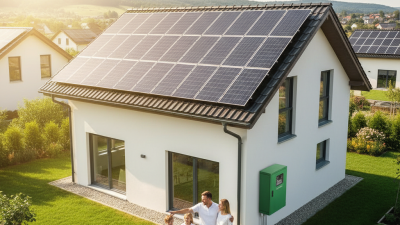
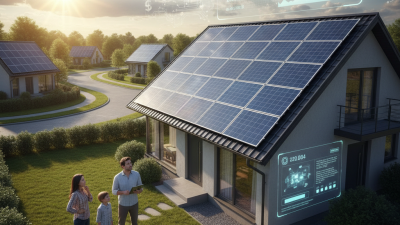
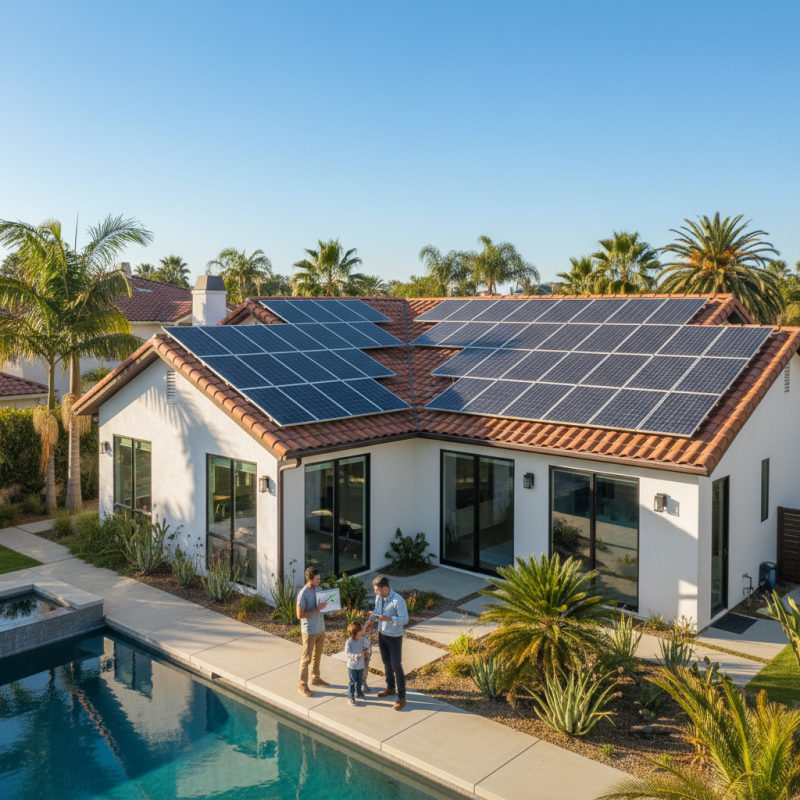
Harnessing solar power in California is an exciting journey for homeowners. The state's abundant sunshine makes it an ideal location for solar energy. Many families already benefit from solar power in California, reducing their energy bills significantly.

However, the process can feel overwhelming. Understanding the different solar technologies and systems available is crucial. Many homes opt for solar panels, but there are other options. It's essential to research local incentives and rebates as well.

Not every homeowner finds solar power fitting their needs. Some struggle with installation costs or space limitations. It's important to weigh the benefits and challenges carefully. Each decision should be informed and purposeful. The harmony between sustainability and practicality can be achieved with the right approach.
How to Harness Solar Power in California for Your Home Living?

Understanding the Basics of Solar Power and Its Benefits in California

Solar power is an increasingly popular option for homeowners in California. The state enjoys abundant sunlight throughout the year. This makes solar energy a viable choice. Solar panels can harness this energy to power homes. The initial setup cost may seem high, but there are many long-term benefits.

Using solar energy reduces electricity bills significantly. Homeowners can save money over time. Additionally, solar power contributes to a cleaner environment. It helps decrease dependency on fossil fuels. However, it’s important to consider local regulations and incentives. Some areas may have specific rules regarding solar installations.

The effectiveness of solar panels can vary based on location. Shading from trees or buildings can affect performance. Regular maintenance is also needed to keep them efficient. Ensuring that panels are clean enhances their output. It's worthwhile to examine these aspects before installation. Sometimes, initial expectations can be too high. Reality may require adjustments and patience.
Evaluating Your Home's Solar Potential: Location and Energy Needs

How to Harness Solar Power in California for Your Home Living?

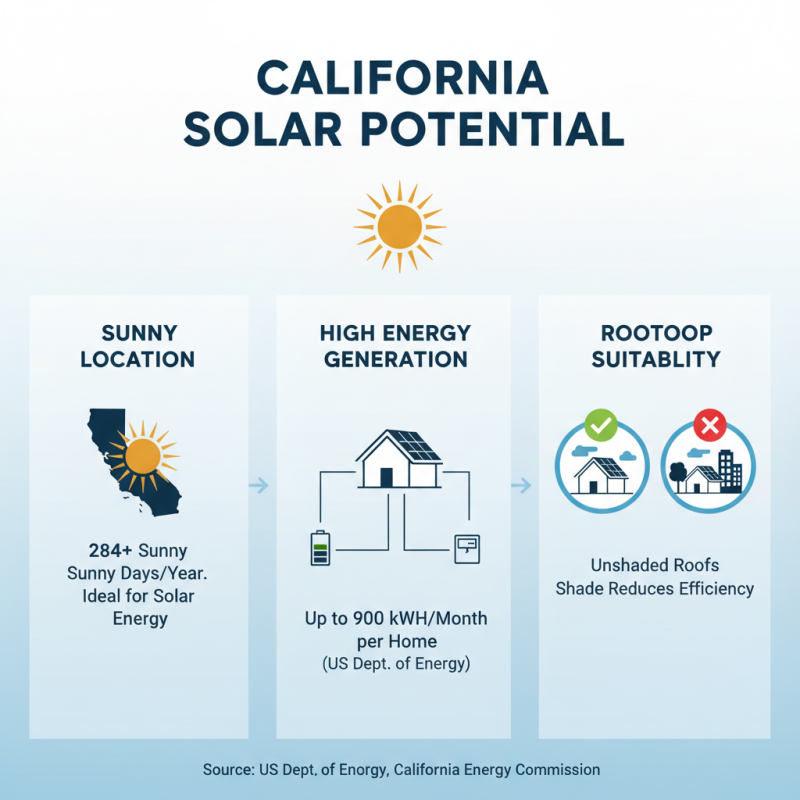
When evaluating your home's solar potential, location plays a crucial role. California is sunny, with about 284 sunny days per year. This makes it an ideal region for solar energy harnessing. The U.S. Department of Energy reports that homes in California can generate up to 900 kWh per month with solar systems installed. However, not all rooftops are suitable. Shade from trees or nearby buildings can significantly reduce solar efficiency.

Understanding your household energy needs is equally important. According to the California Public Utilities Commission, the average California home consumes around 600 kWh monthly. If you have a larger family or multiple electronic devices, you may need more energy. Conducting an energy audit helps identify your consumption patterns. This process reveals areas of improvement, too. Simple adjustments can lead to significant savings and less energy requirement.

Additionally, keep in mind that not every solar installation yields the same results. Variations in roof angle, direction, and nearby obstructions affect performance. Just because a neighbor enjoys success with solar does not guarantee you will, too. It's crucial to assess your unique circumstances. Collecting data on your home's sunlight exposure can inform better energy decisions. This reflective approach leads to optimal utilization of solar power.

Choosing the Right Solar Panel System for Your Household

Choosing the right solar panel system for your household can be daunting. California's sun offers immense potential, but the options can overwhelm you. Start by assessing your energy needs. Calculate how much electricity you use each month. This number will guide your decisions.

Consider the types of solar panels available. Monocrystalline panels are efficient but can be pricier. Polycrystalline panels are more affordable but less efficient. Evaluate your budget. A larger system may not always be the best choice if you can't afford it. Installation and maintenance are also key considerations. Poor installation can reduce efficiency.

Look into local incentives and rebates. These can make solar power more accessible for many households. Remember that switching to solar often requires investment. It's not just about buying panels. Think about sustainability, energy independence, and the long-term savings as well. Reflect on how solar power fits your lifestyle.

Navigating Incentives and Rebates for Solar Installation in California

Navigating the landscape of solar incentives in California can feel overwhelming. Multiple programs exist. Each offers different benefits. Federal tax credits can reduce your overall installation cost. The state also provides rebates, making solar more accessible. Local utilities might have additional incentives. Researching these options is crucial.

Homeowners often underestimate the paperwork involved. Submitting applications for rebates takes time. Delays can happen frequently. Stay organized and conscious of deadlines. Engaging with community resources can make this process smoother. Find forums or local groups for shared experiences.

Installers might provide guidance on available incentives. However, it's essential to verify their information. Not all installers will prioritize your best interests. It’s in your hands to ensure you’re getting maximum benefits. Always read the fine print. Understanding each program can save you money in the end.

Solar Power Incentives and Rebates in California

Installing and Maintaining Your Solar Power System: A Step-by-Step Guide

How to Harness Solar Power in California for Your Home Living?

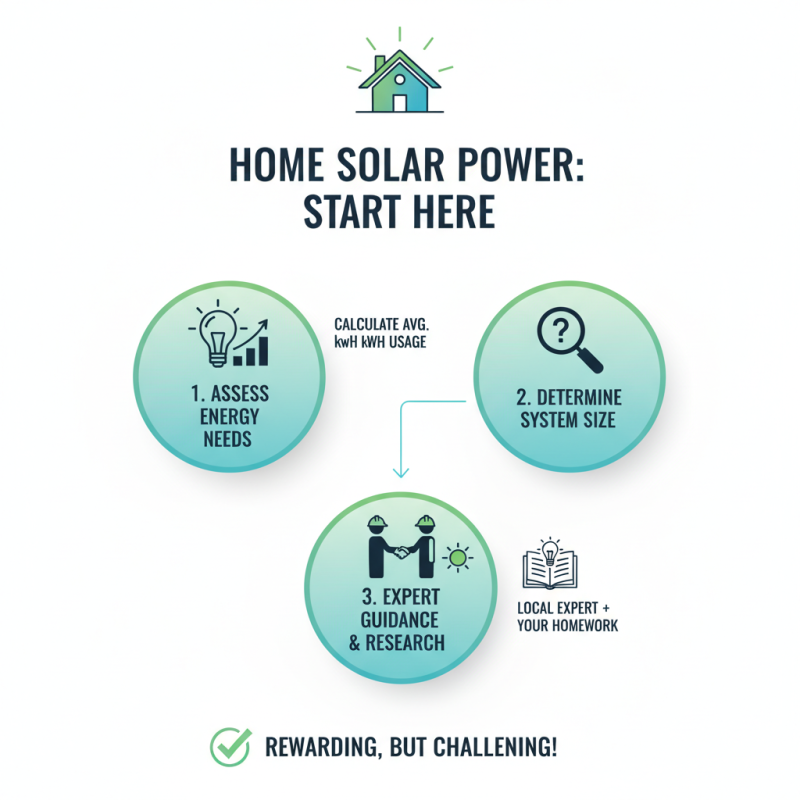
Installing a solar power system at home can be a rewarding yet challenging experience. It starts with assessing your energy needs. Calculate the average electricity usage in kilowatt-hours. This will help determine the size of the solar system you need. A local solar expert can provide guidance, but it's essential to do your homework.

Next, consider the installation process. The area on your roof should get ample sunlight. Keep in mind any shading from trees or buildings. Research different mounting options, as some might suit your roof type better. It involves drilling, wiring, and safety precautions. Missteps can lead to inefficiencies or safety hazards.

Maintenance is crucial for longevity. Regularly clean the panels to remove dust and debris. An inspection every year can catch small issues before they become expensive. Watch for debris accumulation or wear on cables. If you notice any drop in energy production, investigate promptly. Solar power isn’t a one-time effort; it requires ongoing attention.