How to Get Solar at No Cost in 2026?
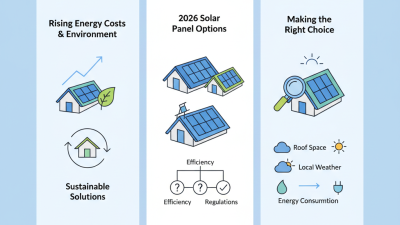
“How to Get Solar at No Cost in 2026?” sounds simple, but the wording needs care. In most cases, “solar at no cost” means no large upfront payment, not free electricity. Homeowners may use a solar lease, power purchase agreement, community solar subscription, or an approved financing plan. Each option can change your monthly bill, contract length, maintenance duties, and savings potential.
The market is expanding quickly. The International Energy Agency’s Renewables 2024 report states that solar photovoltaic power represented about three-quarters of global renewable capacity additions in 2023. In the United States, the Solar Energy Industries Association and Wood Mackenzie continue reporting strong residential and utility-scale growth. Yet growth does not guarantee a good household deal. Berkeley Lab’s Tracking the Sun report shows that installed residential prices still vary by system size, location, equipment, and installer practices. That variation matters.
A credible 2026 guide must examine more than advertised savings. It should explain eligibility, credit screening, roof condition, local incentives, utility rules, and contract escalators. It should also distinguish federal tax credits from direct discounts. A tax credit may not reduce your installer’s invoice immediately. Details matter.
Read the contract closely. Ask who owns the panels, who replaces the inverter, and what happens when you sell the home. The lowest monthly payment may not deliver the lowest lifetime cost. That is the uncomfortable part. “No upfront cost” can still mean decades of payments. This guide explores practical paths toward solar at no cost while recognizing that availability depends on your location, finances, roof, and local policy.
Understanding “No-Cost” Solar Options in 2026
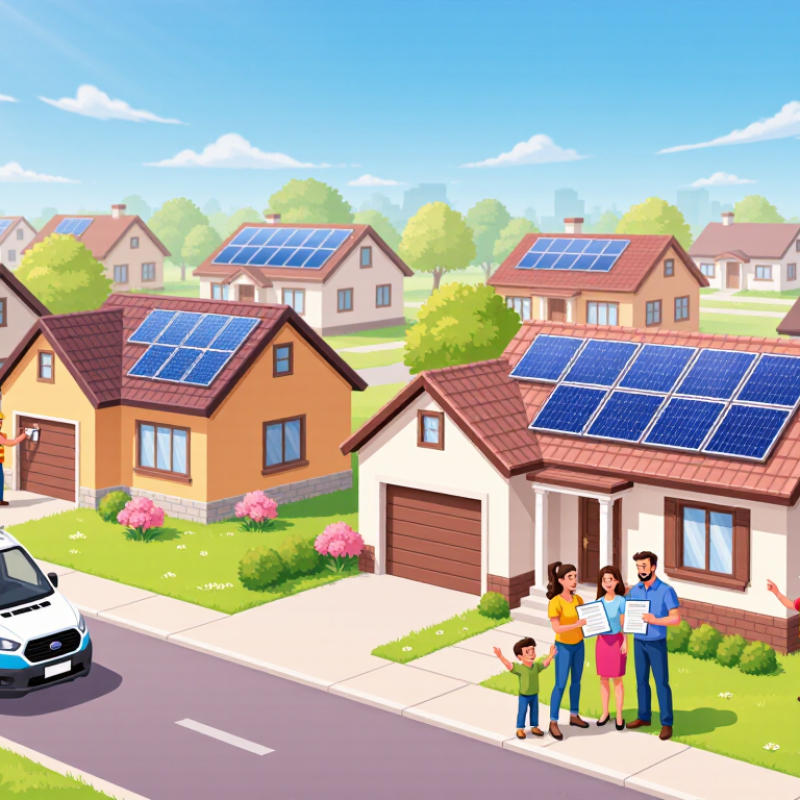
In 2026, “no-cost” solar usually means no large upfront payment. It does not mean the equipment, labor, or maintenance has no value. Homeowners may use public incentives, rebates, solar leases, or power purchase agreements. Availability depends on location, income, property type, and current regulations. Rules can change during the year.
A lease may place panels on your roof while you pay a fixed monthly charge. A power purchase agreement charges you for the electricity produced. These options can reduce your utility bill, but they may limit ownership and savings. Some contracts include annual price increases. That is not free. Check the total payment over the full term, not only the first-year estimate.
Start with twelve months of utility bills, your roof’s age, and nearby shade from trees or buildings. Ask whether removal and reinstalling panels is covered during roof repairs. Request production estimates from qualified, licensed professionals. Verify insurance, warranties, maintenance duties, cancellation terms, and who receives available incentives. A salesperson’s savings forecast is only an estimate, especially with changing electricity rates. The uncomfortable part is easy to miss: “no-cost” offers can be affordable, yet they may cost more than buying a system outright. Compare at least three written proposals and ask an independent energy adviser to review unclear language.
Checking Eligibility for Solar Incentives and Assistance
How to Get Solar at No Cost in 2026?
“Free solar” usually means incentives cover much of the installation cost. It does not always mean zero payments. Eligibility may depend on household income, property ownership, location, energy usage, and roof condition. Check federal, state, local, and utility programs through official government websites. Some assistance is reserved for qualifying households or specific communities. Tax credits may reduce your tax bill, but they may not provide an upfront payment. This detail is easy to miss.
Ask a qualified installer for a written estimate showing equipment, labor, permits, maintenance, and expected savings. Compare that estimate with available rebates before signing anything. A lease or power-purchase agreement may require little upfront money, but it can create long-term payments. Read the contract carefully. I have seen people focus on monthly savings and overlook escalator clauses or roof replacement responsibilities. That mistake can become expensive.
Tips:
Gather tax records, utility bills, and proof of home ownership early. Confirm whether the program accepts applications before installation. Save every approval letter and receipt. Check contractor licenses and insurance through your local authority. Be cautious when someone promises guaranteed free solar or asks for urgent payment. Rules can change during 2026, and online calculators may use outdated assumptions. Verify every figure independently.
Comparing Solar Leases, PPAs, and Community Solar Programs
How to Get Solar at No Cost in 2026?
Comparing Solar Leases, PPAs, and Community Solar Programs
“No cost” usually means no upfront installation payment. It does not mean electricity becomes free. A solar lease charges a fixed monthly fee for using a rooftop system. The provider typically handles maintenance and repairs. Your payment may stay stable while utility rates change, but contract escalators can reduce savings over time.
A power purchase agreement, or PPA, uses a different structure. You pay for each kilowatt-hour the panels produce. This rate is often below the utility’s current price. Production can vary during cloudy weeks, so savings are not guaranteed every month. Ask for the proposed rate, annual increase, system output estimate, and early termination terms. A neat spreadsheet can still mislead.
Community solar may work better for renters or shaded homes. A shared project produces electricity elsewhere, and subscribers receive bill credits for their allocated energy. There is no rooftop equipment to maintain. Availability, credit rules, subscription fees, and cancellation policies differ by location. Check whether credits expire and whether the program requires a long commitment. In practice, I would compare twelve months of projected bills, not just the advertised discount. Read everything. Need help understanding the numbers? A qualified energy adviser can review the contract without relying on sales promises.
Applying for Qualified Solar Funding and Installation
A no-upfront-cost solar project in 2026 usually combines several funding sources. Start with official government energy portals, local housing agencies, and your utility’s program page. Search for income-qualified grants, rebates, tax credits, community solar assistance, and approved financing. Rules differ by location. Some programs help with installation but not roof repairs, batteries, or electrical upgrades. Prepare recent utility bills, proof of address, income records, property documents, and roof photos. Read the eligibility rules carefully. A low-income threshold may use household size, while ownership requirements can exclude renters. Do not pay an application fee unless the administering agency clearly requires it.
After prequalification, compare at least two installers listed by the program administrator. Check licenses, insurance, warranties, equipment specifications, estimated production, and cancellation terms. Ask who handles permits, inspections, grid connection, and future service calls. An honest proposal should show the expected monthly payment, if any, before signing. “Free solar” can still involve a lease, a power contract, or a tax obligation. Confirm these details with a qualified tax professional and the relevant public agency. Never sign under pressure.
One detail applicants often underestimate is timing: funding may open briefly, while inspections can take weeks. I would keep copies of every form, email, and approval number. The process is practical, but not effortless. That distinction matters.
Reviewing Contracts, Savings, Ownership, and Maintenance Terms
How to Get Solar at No Cost in 2026?
“No cost” usually means no upfront payment, not free electricity. A lease or power purchase agreement may cover installation, while you pay a fixed monthly charge or a rate per kilowatt-hour. Before signing, compare the 20- to 25-year payment total with your current utility costs. SEIA and Wood Mackenzie reported 32.4 gigawatts of new U.S. solar capacity in 2023, but local savings still depend on sunlight, rates, and roof condition.
Read every contract slowly. Check annual price increases, early termination fees, roof-repair responsibilities, and transfer rules when selling the home. Confirm who owns renewable-energy credits and whether the agreement includes battery storage. The U.S. Department of Energy notes that inverters often last 10 to 15 years, while NREL research commonly estimates panel degradation near 0.5% annually. Maintenance may be limited, but monitoring, repairs, and removal costs can remain unclear. I would ask for these terms in writing.
Tips:
Request three written estimates. Calculate total payments, not just monthly savings. Ask what happens during a long power outage. Verify production guarantees and the process for missed targets. A “guarantee” without a remedy is weak. Also, do not assume ownership is always cheaper; financing costs and future roof work can change the result. My own review habit is simple: mark every promised saving, then test it against a conservative electricity-price assumption. The optimistic scenario is often the least useful one.