How to Install Solar Panels at Home for Maximum Efficiency?
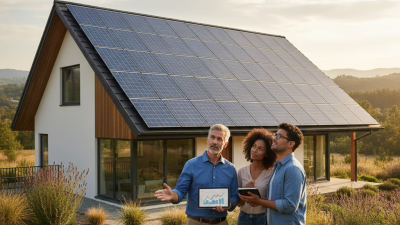
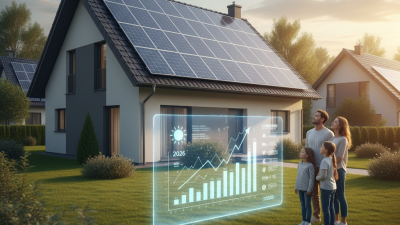
Installing solar panels at home can significantly reduce energy costs. However, achieving maximum efficiency requires careful planning and consideration. Solar panel home installation is an investment that demands attention to detail. From selecting the right materials to understanding your energy needs, every decision matters.
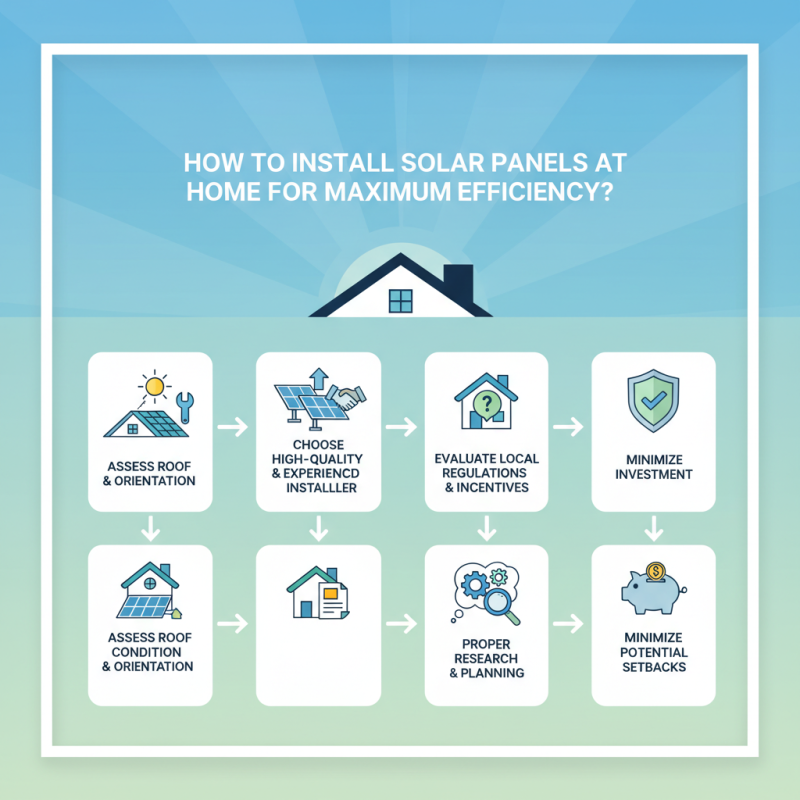
Begin by assessing your roof's condition and orientation. This can impact sunlight exposure. Ignoring roof issues might lead to problems later. Choosing high-quality panels goes hand in hand with selecting an experienced installer. This can influence the overall efficiency of the system.
Additionally, not all homes are suitable for solar energy. Evaluating local regulations and incentives is crucial. Sometimes, it’s easy to overlook these important factors. Reflection and proper research can prevent costly mistakes. Each step in the solar panel home installation process should be approached with care, ensuring that you maximize your investment in renewable energy while minimizing potential setbacks.
Understanding the Basics of Solar Panel Technology and Efficiency
Understanding solar panel technology is crucial for maximizing energy efficiency at home. Solar panels convert sunlight into electricity through photovoltaic cells. These cells experience losses due to shading, orientation, and temperature. Studies show that up to 15-20% of solar energy can be lost due to these factors.
Choosing the right type of panel matters. Monocrystalline panels are generally more efficient but cost more. Polycrystalline panels are cheaper and slightly less efficient. A report by the National Renewable Energy Laboratory states that installation angle and geographic location can increase efficiency by up to 30%. Proper placement is key.
Regular maintenance is essential too. Dirt and debris can reduce efficiency by 20%. It's important to check for obstructions, like trees. Many homeowners forget to do this. Solar panel systems may seem perfect, but understanding these details can lead to better performance. Investing time in research pays off in long-term savings.
Evaluating Your Home's Solar Potential and Energy Needs
Evaluating your home’s solar potential is essential to maximizing efficiency. Start by analyzing your roof's orientation. South-facing roofs typically receive the most sunlight. Check for any shade from nearby trees or buildings. Even partial shading can reduce energy production significantly.
Consider your energy needs. Calculate your household’s average electricity usage. Look through past utility bills to gather data. Estimate how much energy you want to generate with solar panels. This helps in planning the system size needed.
Tips: Use online solar calculators for quick assessments. They provide rough estimates of energy output based on your location and roof size. Don’t ignore the impact of weather. Clouds and rain can affect efficiency. Planning for variations might be necessary. Reflect on these factors carefully. This can help you make informed decisions about your solar installation.
Selecting the Right Type of Solar Panels for Your Property
Selecting the right type of solar panels is crucial for optimizing efficiency at home. The market offers various types, including monocrystalline, polycrystalline, and thin-film panels. Each has distinct characteristics and performance metrics. For instance, monocrystalline panels typically boast an efficiency rate of about 20-25%. In contrast, polycrystalline panels tend to deliver 15-20% efficiency. Thin-film options often lag behind with around 10-12%.
Consider your property’s specific conditions before choosing. Assess your roof's orientation, shading, and space availability. A study by the U.S. Department of Energy indicates that just 1% of sunlight can yield significant energy production under optimal conditions. Many homeowners overlook the impact of shading; even small obstructions can reduce output.
Choosing solar panels isn't just a straightforward process. Initial costs can be high, and panel longevity varies. While some panels last 25 years or more, others may need replacement sooner, affecting overall savings. It’s crucial to weigh the long-term benefits against upfront investments. Engaging in research and understanding your unique energy needs can guide you toward better decisions.
Solar Panel Efficiency Comparison
Step-by-Step Guide to Installing Solar Panels Safely
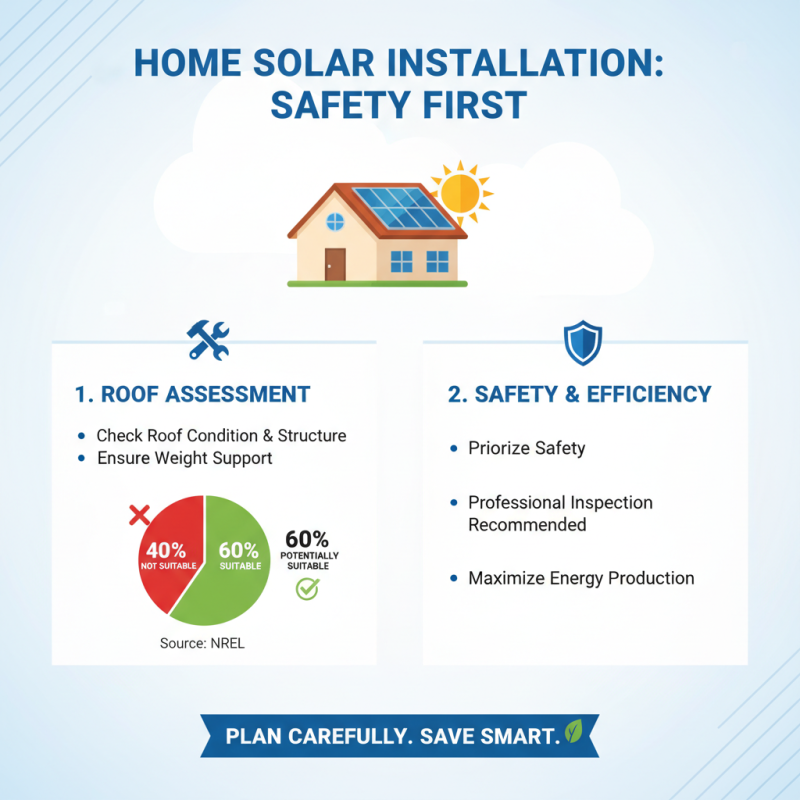
Installing solar panels at home requires careful planning. Safety should be your top priority. Begin by assessing your roof's condition. Ensure it can support the weight of the solar panels. According to the National Renewable Energy Laboratory, about 40% of roofs are not suitable for solar installation. This is crucial when considering safety and efficiency.
Once you confirm your roof's integrity, gather necessary tools. Safety gear is essential. Use gloves, helmets, and goggles. When positioning the panels, consider the sun's path. A study by the Solar Energy Industries Association states that proper placement can boost energy efficiency by up to 30%. This means avoiding shaded areas. You want direct sunlight for the longest period.
Be mindful of the installation process. Errors can lead to damage or hazards. Ensure electrical connections are secure. According to safety statistics, improper wiring is a leading cause of electrical fires. After installation, inspect everything. If problems arise, contacting a professional is advisable. Reflect on your work. Are the panels secure? Is the wiring safe? These questions lead to better efficiency and safety in the long run.
Maintaining Solar Panels for Optimal Performance and Longevity
Maintaining solar panels is essential for ensuring their optimal performance and longevity. Studies show that regular maintenance can lead to a 10-30% increase in energy efficiency. Dust, debris, and bird droppings can accumulate on panels, blocking sunlight. This blockage reduces energy output significantly. Cleaning your panels every six months helps to keep them performing at their peak.
Tip: Use a soft brush and a mild detergent solution to clean the surface. Avoid harsh chemicals as they can cause damage. If you live in a particularly dusty area, more frequent cleaning may be needed.
Monitoring your solar system's performance also requires attention. Check inverter displays regularly to spot any irregularities. A sudden drop in output might indicate a problem. Early detection can save you from costly repairs later.
Tip: Install a monitoring system to track performance easily. Knowing how your system performs helps you make informed decisions. Remember, neglecting small issues can lead to bigger problems down the line.
Seek professional maintenance services once a year. They can identify potential issues that you might overlook, ensuring your investment lasts. Proper care not only enhances efficiency but also extends the lifespan of your solar panels.