Why is Solar Power Popular in California?
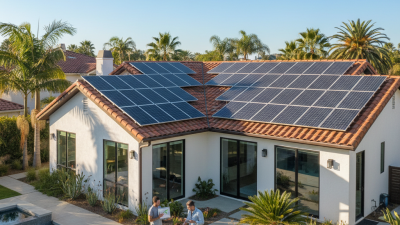
California is widely recognized as a leader in solar power. The state's abundant sunshine makes it ideal for harnessing solar energy. According to Dr. Emily Stevens, an expert in renewable energy, “California’s commitment to solar power goes beyond just technology; it’s about shaping a sustainable future.”
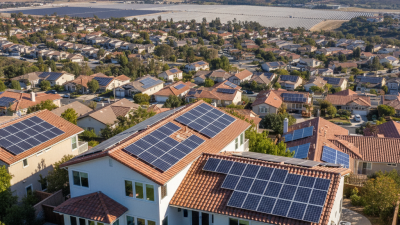
Many residents have installed solar panels on their roofs, boosting the local economy. However, challenges still exist. Not everyone can afford these systems, leading to a disparity in access. The growing popularity of solar power in California also puts pressure on the grid. As more homes go solar, balancing energy supplies becomes crucial.
Environmental concerns drive much of this momentum. Californians are increasingly aware of climate change's impact. But is solar power really the answer for everyone? While it greatly reduces carbon footprints, it also requires substantial resources for manufacturing and installation. The journey toward a fully sustainable energy system remains complex and flawed.
Factors Driving Solar Power Adoption in California
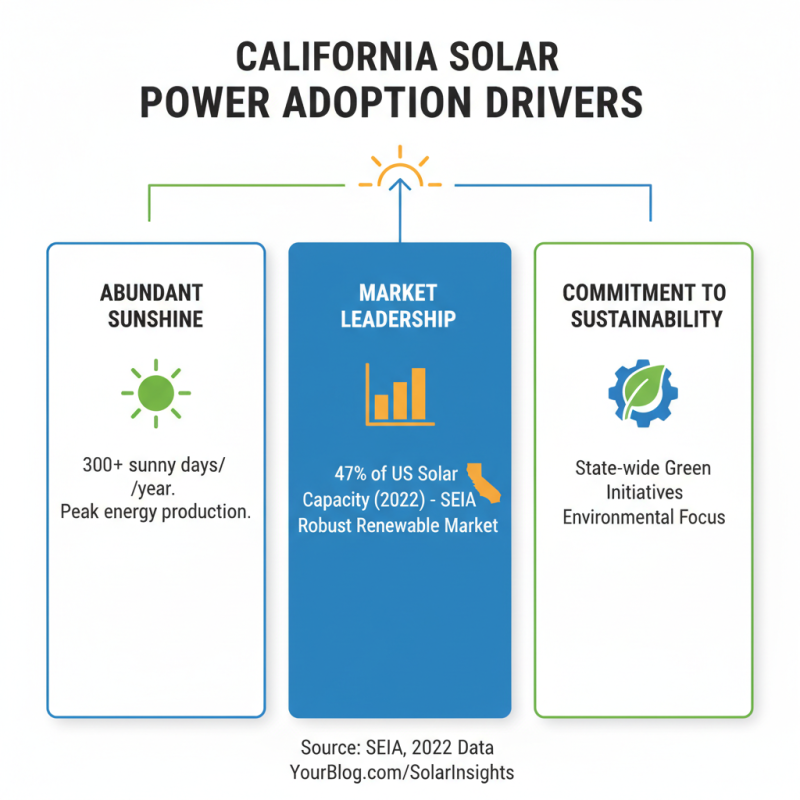
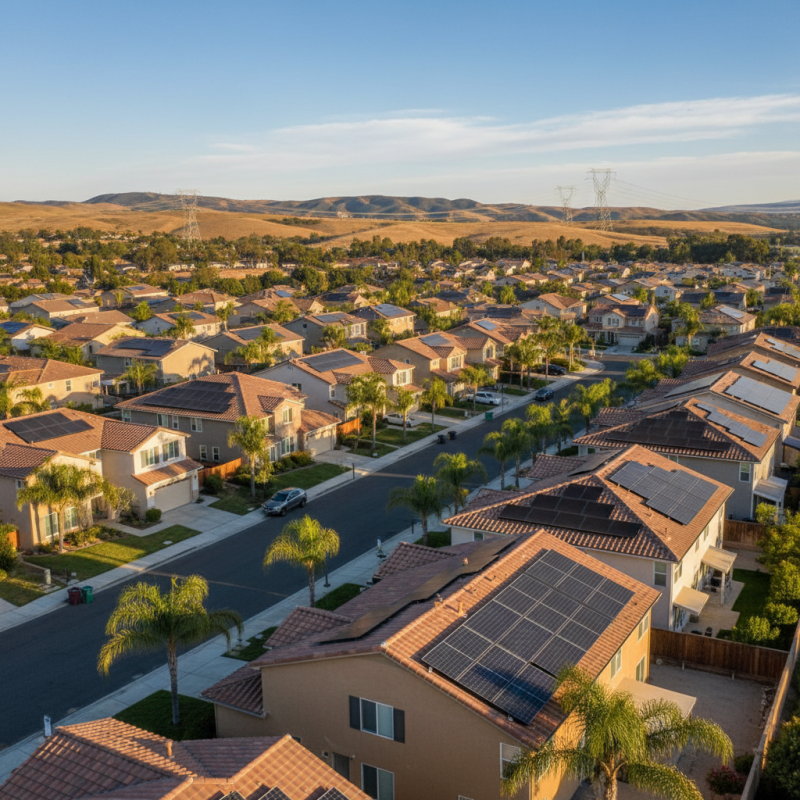
California stands out in solar power adoption due to several key factors. One major driver is the state's abundant sunshine. With over 300 sunny days a year, solar energy production is at its peak. According to the Solar Energy Industries Association (SEIA), California accounted for 47% of the nation’s solar capacity in 2022. This signifies a robust market for renewable energy and reflects the state's commitment to sustainability.
Incentives play a critical role in promoting solar energy in California. The state offers various financial incentives, including tax credits and rebates. These incentives can significantly reduce installation costs. A recent report highlighted that average residential solar system costs fell by nearly 30% in the last decade. However, despite these efforts, some communities still face barriers. Urban areas may have limited roof space, while low-income households often struggle to afford initial investments.
Regulatory support also pushes solar adoption. California’s ambitious energy policies target a 100% clean energy grid by 2045. While this sets a clear direction, the transition raises concerns. The increasing reliance on solar could lead to grid instability during peak demand. More investment in battery storage and infrastructure is needed to address these challenges. The popularity of solar power in California is obvious, yet the path forward requires thoughtful solutions.
Government Incentives and Policy Support for Renewable Energy
California has become a leader in solar power. Government incentives play a crucial role in this growth. Programs that subsidize solar installations have made it easier for homeowners to go green. Tax credits make solar energy systems more affordable. Many families have taken advantage of these benefits.
Moreover, policies supporting renewable energy create a favorable environment. California's Renewable Portfolio Standard mandates that utilities increase their use of green energy. This commitment pushes solar projects to gain support. However, challenges persist. Not everyone can access solar technology. Some neighborhoods lack the resources to adopt these systems.
Incentives often favor urban areas, leaving rural communities behind. The uneven distribution of support leads to reflections on equity. More awareness is needed. Everyone should benefit from clean energy advancements. California's journey with solar power is ongoing. The potential is vast, yet the path requires careful navigation.
Growth of Solar Power Installations in California (2010-2023)
This chart illustrates the growth of solar power installations in California from 2010 to 2023, showcasing the impact of government incentives and supportive policies for renewable energy. The upward trend indicates increasing adoption due to favorable regulations and financial incentives.
Environmental Awareness and Climate Concerns Among California Residents
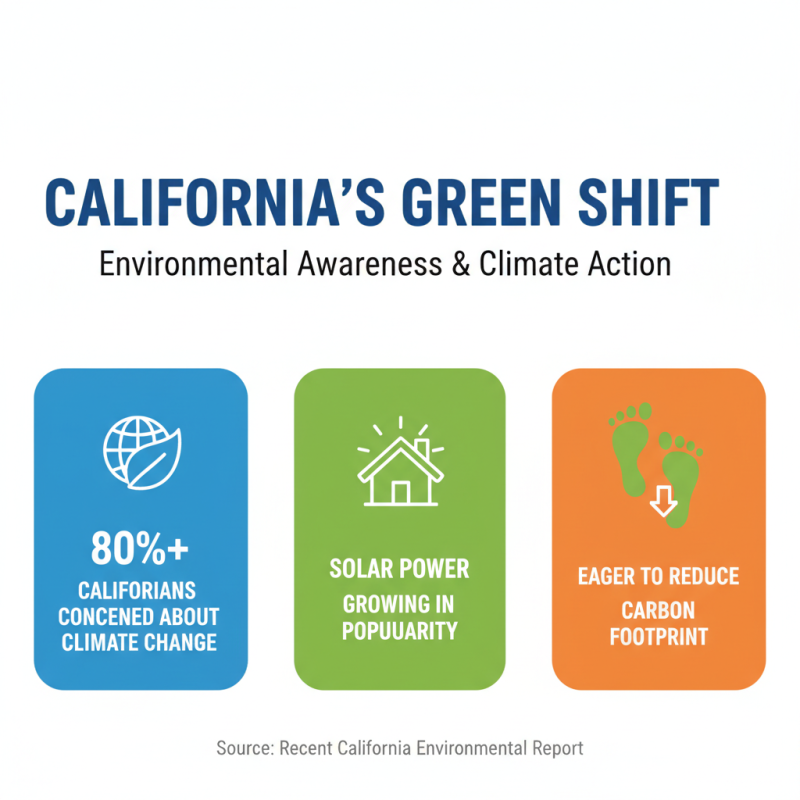
California residents are increasingly aware of environmental issues. This awareness drives the popularity of solar power in the state. A recent report showed that over 80% of Californians are concerned about climate change. Many are eager to reduce their carbon footprint.
Solar energy offers a tangible solution. According to data from the California Energy Commission, solar power accounts for nearly 20% of the state's energy mix. This is a significant leap in a short time. Many homeowners are actively choosing solar panels as a means to lower electricity bills and reduce reliance on fossil fuels. Additionally, local incentives make solar systems more accessible. Yet, challenges remain in ensuring everyone can benefit equally.
Despite growth, some communities lag behind. Access to solar technology isn’t uniform. Low-income families often face barriers. In 2022, a report highlighted that only 17% of households in lower-income areas had solar installations. This disparity raises questions about equity within California's clean energy movement. While environmental consciousness thrives, a more inclusive approach is necessary.
Technological Advancements and Cost Reductions in Solar Energy
California’s solar power surge results from technological advancements. Solar panel efficiency has improved dramatically. Recent studies indicate that panel efficiency has increased by over 20% in a decade. This allows homeowners to generate more energy from less surface area. New materials, like perovskite, promise even greater efficiency in the near future.
Cost reductions further drive solar adoption. The average cost of solar panels has fallen by approximately 70% since 2010. In 2022, the cost per watt for residential solar systems dropped to around $2.77. Lower prices make solar energy accessible to more families. However, the initial investment is still a barrier for some. Incentives and rebates exist, yet some people remain unaware of these options.
This growth presents challenges too. Despite lower costs, installation expenses can vary. Quality and craftsmanship sometimes suffer as demand surges. Moreover, the environmental impact of manufacturing solar panels needs careful consideration. While the technology evolves, the industry must address these challenges responsibly.
Why is Solar Power Popular in California? - Technological Advancements and Cost Reductions in Solar Energy
| Year |
Average Cost per Watt ($) |
Installed Capacity (MW) |
Households Powered (Estimate) |
Government Incentives ($ Million) |
| 2015 |
3.50 |
10,000 |
2,500 |
150 |
| 2016 |
3.15 |
12,500 |
3,125 |
175 |
| 2017 |
2.85 |
15,000 |
3,750 |
200 |
| 2018 |
2.50 |
18,000 |
4,500 |
250 |
| 2019 |
2.40 |
20,000 |
5,000 |
275 |
| 2020 |
2.20 |
25,000 |
6,250 |
300 |
| 2021 |
2.10 |
30,000 |
7,500 |
350 |
| 2022 |
2.00 |
35,000 |
8,750 |
400 |
| 2023 |
1.80 |
40,000 |
10,000 |
450 |
Community Solar Initiatives and Local Support for Sustainability
California has seen a significant rise in community solar initiatives. Local residents are coming together to harness the sun's energy. These projects allow neighborhoods to invest in solar power collectively. Everyone benefits from lower energy costs and a reduced carbon footprint.
Many cities in California have embraced these initiatives. Community solar gardens are popping up. They provide accessible renewable energy for all. However, not every area is equally represented. Some communities still lack awareness of solar benefits. Education and outreach are essential to bridge this gap.
Support for sustainability is a growing movement. People are increasingly valuing environmentally friendly choices. Yet, challenges remain. Funding and regulatory hurdles can slow progress. Creating a more inclusive approach is necessary. Everyone deserves access to clean energy solutions. This journey requires ongoing reflection and adaptation. It's a step toward a sustainable future.