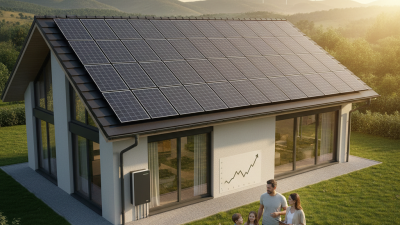
Why Are Residential Solar Power Systems Worth It?

Residential solar power systems can turn a sunlit roof into a source of household electricity. For many homeowners, the appeal is practical: lower grid purchases, more predictable energy costs, and a smaller reliance on fossil-fuel-generated power. Yet the value is not automatic. A south-facing roof with few shadows may perform very differently from one shaded by trees or nearby buildings.

The real question is whether the system fits your home, energy use, and budget. A careful estimate should consider recent utility bills, roof condition, local sunlight, equipment warranties, and the cost of installation. Battery storage may provide backup during some outages, but it adds expense and does not guarantee uninterrupted power. Numbers vary. Electricity rates and available incentives can also change, so current local information matters more than a broad online average.

This guide looks at the main reasons homeowners consider solar, including potential bill savings, energy independence, and environmental benefits. It also examines the trade-offs: upfront costs, maintenance, roof suitability, and the time needed to recover an investment. That matters. Solar can be a strong long-term choice, but it may not suit every household. The most reliable decision starts with a site-specific assessment and realistic production estimates—not a promise of effortless savings.

Why Are Residential Solar Power Systems Worth It?

How Residential Solar Power Systems Generate Electricity

Residential solar panels turn sunlight into usable electricity through the photovoltaic effect. Light hits semiconductor cells, freeing electrons and creating direct current (DC). Wires carry that current to an inverter, which converts it into alternating current (AC) for household appliances. Your refrigerator, lights, and laptop can then use the power.

In a grid-connected system, solar electricity usually serves the home first. Extra power may flow to the grid, depending on local utility arrangements. At night or during cloudy weather, the home can draw electricity from the grid or a battery. Output changes with roof direction, shade, temperature, and season. A chimney’s shadow at noon can matter more than people expect. The IEA Photovoltaic Power Systems Programme reported that global installed solar PV capacity surpassed 1.6 terawatts by the end of 2023. That scale shows how widely the technology is used, but it does not predict one household’s savings.

Tips: Check your roof for shade at different times of day. Ask for an estimate based on your address, roof angle, and recent electricity bills. Remember, estimates are not guarantees; real production can vary. Don’t overlook that.

Key Components and Installation Requirements

A residential solar system needs more than panels. Its core parts include photovoltaic modules, roof racking, an inverter, wiring, safety disconnects, and monitoring equipment. An optional battery stores excess electricity for later use. Lawrence Berkeley National Laboratory’s Tracking the Sun 2024 report puts recent U.S. residential systems at a median size of roughly 7.4 kilowatts. Actual output depends on roof direction, shade, and local sunlight, so a site assessment matters more than a quick estimate.

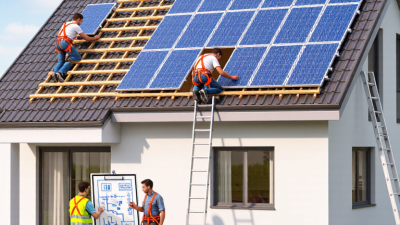
Before installation, a professional should check roof condition, usable area, shading, and the electrical panel’s capacity. NREL’s residential cost benchmark models an 8-kilowatt rooftop system, offering a useful reference point—not a recommendation for every home. Permits, inspections, and utility interconnection approval may also be required, with details varying by location. Measure twice. A chimney’s afternoon shadow can cut production more than expected. Installers should assess roof framing and explain how equipment will be attached and wired. If the roof needs replacement soon, installing panels first may create extra removal costs. That timing is easy to overlook.

Long-Term Energy Savings and Financial Incentives

Residential solar can reduce electricity costs over many years, but the savings depend on how much power a home uses and when it uses it. Panels may produce most electricity around midday, while a household’s busiest hours often come later. Running a dishwasher or charging an electric vehicle during sunny hours can help use more of that power directly. A battery may shift some electricity into the evening, though its upfront cost can change the payback period. Details matter.

Financial incentives can make installation more affordable, but they vary by location and may change over time. Check current government programs and utility rules before estimating savings. Ask for a written quote that separates equipment, labor, financing costs, and any expected maintenance. Then compare the projected bill reduction with the system’s total cost over its expected service life. It is easy to focus on the monthly payment and miss fees or future equipment costs. I would also compare the estimate with a full year of utility bills, not just one sunny month. A roof with shade, aging shingles, or limited usable space may produce less than a sales estimate suggests. Even a careful projection is still a projection.

Why Residential Solar Can Pay Off Over Time

Illustrative 25-year U.S. scenario: cumulative operating savings compared with the system’s upfront cost after an assumed incentive.

Example assumptions: a 6 kW system costs $18,000 before incentives; a hypothetical 30% incentive reduces the initial cost to $12,600. First-year operating savings are estimated at $1,700 after routine maintenance, increasing by 1.5% annually. Actual costs, electricity rates, solar output, incentives, and payback periods vary by location and eligibility; the incentive shown is not guaranteed.

Environmental and Energy Resilience Benefits

Residential solar can reduce a household’s reliance on electricity generated from fossil fuels. On a clear afternoon, rooftop panels convert sunlight into power for everyday use, from running a refrigerator to charging a laptop. The emissions benefit depends on local grid sources, system performance, and the energy used to manufacture and transport equipment. Solar is cleaner over its operating life, but not impact-free.

Resilience takes more planning. Many standard grid-connected systems shut off during a power outage, even when the sun is shining. A system designed with backup capability, often including a battery, can keep selected circuits running. That might mean lights, a medical device, or the refrigerator. Not the whole house. Battery capacity, inverter design, and safe installation all matter, so a household should check its actual needs rather than assume every appliance will stay on.

A battery can also shift some solar power into the evening, when panels produce little or none. Yet cloudy weather and winter days may limit stored energy, and batteries add cost and materials. Roof shade, age, and orientation affect output too. I’d want a realistic estimate based on a year of utility bills, not just the sunniest month. The details are easy to overlook. A well-sized system can improve energy independence, but resilience is never automatic.

Why Are Residential Solar Power Systems Worth It? — Environmental and Energy Resilience Benefits

Benefit or measure Real-world data What it means for a household Important consideration
Lifecycle greenhouse-gas emissions Median estimates are about 48 g CO₂-equivalent per kWh for solar photovoltaic electricity, compared with 820 g for coal and 490 g for natural gas. Solar electricity generally has much lower lifecycle emissions than fossil-fuel electricity, including emissions from manufacturing and construction. Actual emissions vary with technology, manufacturing, location, and the electricity source being displaced.
On-site electricity generation A rooftop system generates electricity at the home, and its output varies with system size, roof orientation, shading, weather, and season. Solar can reduce the amount of electricity a household needs to buy from the grid when the system is generating. It does not guarantee a particular bill reduction; household use, utility rates, and local export rules matter.
Power during a grid outage Most grid-connected solar systems shut down during an outage unless they have suitable islanding equipment, such as a compatible battery system. Solar paired with storage and the right controls can supply selected household circuits when the grid is unavailable. Backup duration depends on battery capacity, solar production, and electricity use. A standard grid-connected system alone is not outage backup.
Battery capacity and backup planning Battery systems are rated in kilowatt-hours (kWh) of stored energy and kilowatts (kW) of power; these are different measures. Stored energy affects how long backup may last, while power rating affects which appliances can run at the same time. Essential-load planning and battery sizing should reflect actual appliance demand and expected outage length.
Long-term system life Solar modules commonly have expected service lives of roughly 25–35 years. A commonly reported median module degradation rate is about 0.5% per year. A system can continue producing electricity for decades, although its output gradually declines and components may need maintenance or replacement. Actual lifespan and production depend on equipment quality, installation, climate, and maintenance.
Energy resilience Solar diversifies a home’s electricity supply by adding local generation; storage can make some of that energy available outside daylight hours. With properly configured storage, households may retain power for selected loads during certain grid disruptions. Solar and batteries do not guarantee uninterrupted whole-home power; system design, weather, and outage duration are limiting factors.

Data notes: Lifecycle-emissions medians are from the IPCC Fifth Assessment Report, Working Group III (2014). Solar-module service life and degradation figures are general industry and research estimates; individual systems vary. Backup capability depends on system design and local electrical requirements.

Factors That Determine Whether Solar Is Worthwhile

Residential solar is worthwhile when its lifetime savings exceed installation and financing costs. Start with the electric bill, not a sales estimate. A home that uses power during sunny hours may consume more of its own generation. That can improve value, especially where exported electricity earns less than retail power. Roof direction, shade from trees, system age, and local utility rates also matter. Small details count. A chimney shadow at noon can reduce output more than expected.

For context, the U.S. Energy Information Administration reported an average residential electricity price of about 16 cents per kilowatt-hour in 2023. Lawrence Berkeley National Laboratory’s Tracking the Sun 2024 report found a median installed price near $3.15 per watt for residential systems installed that year, before incentives. These are national figures, not a household forecast. The estimate can be wrong. Compare the proposed system’s expected annual production with your actual bills, and check how your utility credits surplus power. Include financing charges, maintenance, and any battery costs; storage may add resilience, but it does not automatically improve payback. A roof needing replacement soon changes the calculation, too.