What Is the Cost of a Solar Power System?
A solar quote can look simple: panels, an inverter, and installation. Then the details appear. The solar power system cost depends on system size, equipment, roof condition, and local labor rates. A battery can raise the upfront price, while available incentives may reduce it. There is no single figure that fits every home.
A useful estimate separates hardware, installation, electrical work, permits, and optional storage. Look closely at the inverter type, panel warranties, and what the installer includes. A roof with aging shingles may need attention before panels go up. That detail can change the budget more than expected. Small print matters.
Comparing quotes is not always easy. One proposal may include a battery-ready inverter; another may leave out electrical upgrades. Ask for the system’s expected energy production, the assumptions behind any savings estimate, and the payment terms. These figures are estimates, not promises. Weather, shade, utility rates, and household use all affect results. It is also worth admitting that a spreadsheet cannot capture every surprise on an older roof. This guide explains the main price components, common add-ons, and questions to ask before signing. A clear comparison is a better starting point than the lowest headline price.
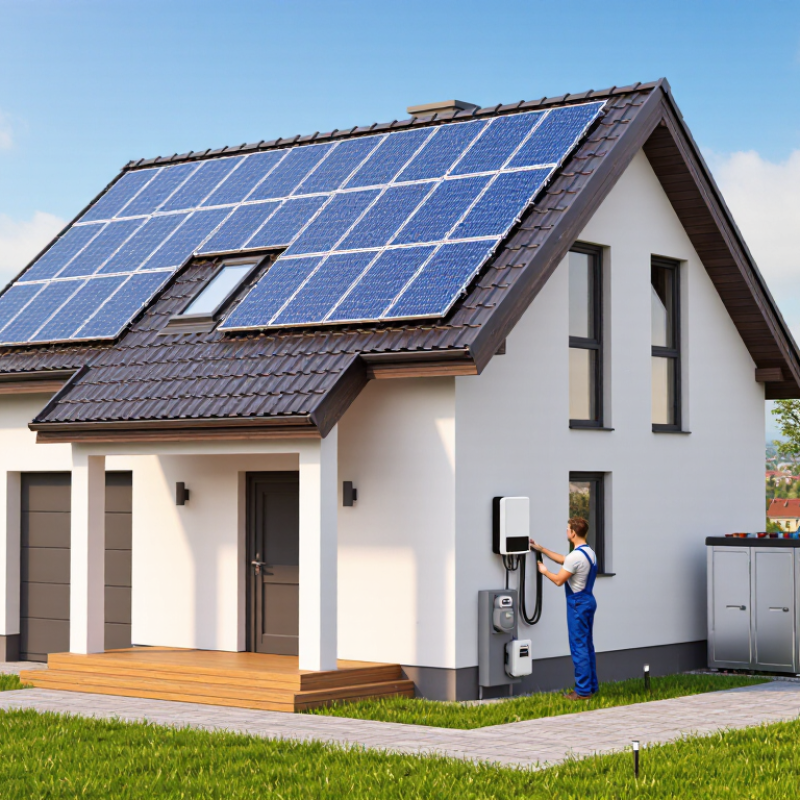
Factors That Determine the Cost of a Solar Power System
What Is the Cost of a Solar Power System?
Factors That Determine the Cost of a Solar Power System
Residential solar pricing depends on more than panel count. NREL’s U.S. Solar Photovoltaic System and Energy Storage Cost Benchmarks: Q1 2023 modeled a residential system at about $2.90 per watt DC. That benchmark is not a quote; local labor and project details can shift the final price. For a 7-kilowatt system, it suggests roughly $20,300 before incentives. Roof shape matters. Steep pitches, multiple roof surfaces, or an aging electrical panel can add labor and equipment costs. Easy to miss.
Hardware is only part of the bill. Lawrence Berkeley National Laboratory’s 2024 Tracking the Sun report documents substantial price variation by location and system characteristics. National averages can be imperfect guides. Battery storage, permitting, utility interconnection, and roof repairs can all change a proposal. A battery adds upfront cost, while its value depends on outage risk, electricity rates, and utility compensation rules. Compare itemized quotes, not just totals. Check system size, installation work, warranties, and battery costs separately. Shade can reduce production, so a cheaper system may provide less useful electricity. That distinction matters. Treat projected annual output as an estimate, not a promise, and ask how it was calculated. One often-overlooked expense: replacing an aging roof later may require removing and reinstalling the panels.
Typical Costs by System Size and Configuration
A home solar system’s price is easier to compare by capacity than by panel count. EnergySage’s 2024 Solar & Storage Marketplace Report put the average quoted price at $2.69 per watt. At that rate, a 6-kilowatt system comes to about $16,100, an 8-kilowatt system about $21,500, and a 10-kilowatt system about $26,900. These are rough pre-incentive estimates, not quotes. That is before incentives. Roof condition, electrical upgrades, and local labor can shift the final bill.
Configurations change the calculation. A solar-only system avoids battery costs but cannot store daytime surplus for use during an outage. EnergySage reported an average battery price of about $1,133 per kilowatt-hour in the same report; a 10-kilowatt-hour battery could therefore add roughly $11,300. Berkeley Lab’s Tracking the Sun report found a 2023 median installed residential price near $3.2 per watt, higher than EnergySage’s quoted average. The figures use different datasets, so they are not directly interchangeable. Batteries change the math. Storage capacity, backup wiring, and installation details matter, and a headline price rarely shows every line item. A careful estimate should specify system size, battery capacity, and what the installer includes.
What Is the Cost of a Solar Power System? — Typical Costs by System Size and Configuration
| System size |
Typical configuration |
Estimated installed cost (USD) |
Approx. cost per watt |
Typical annual production |
Best suited for |
| 4 kW |
Grid-connected rooftop solar; no battery |
$12,000–$16,000 |
$3.00–$4.00/W |
About 4,800–6,400 kWh |
Smaller homes or households with modest electricity use |
| 6 kW |
Grid-connected rooftop solar; no battery |
$18,000–$24,000 |
$3.00–$4.00/W |
About 7,200–9,600 kWh |
Typical homes seeking to offset a moderate share of their usage |
| 8 kW |
Grid-connected rooftop solar; no battery |
$24,000–$32,000 |
$3.00–$4.00/W |
About 9,600–12,800 kWh |
Larger households or homes with higher electricity consumption |
| 10 kW |
Grid-connected rooftop solar; no battery |
$30,000–$40,000 |
$3.00–$4.00/W |
About 12,000–16,000 kWh |
High electricity use, including homes with electric heating or vehicle charging |
| 6 kW + battery |
Grid-connected solar with one home battery (roughly 10–13.5 kWh) |
$28,000–$39,000 |
Not directly comparable |
About 7,200–9,600 kWh |
Households seeking backup power or greater use of solar energy after sunset |
| 8 kW + battery |
Grid-connected solar with one home battery (roughly 10–13.5 kWh) |
$34,000–$47,000 |
Not directly comparable |
About 9,600–12,800 kWh |
Higher-use homes that want solar production plus limited-duration backup |
|
Estimate notes: These are illustrative U.S. residential cash-price ranges before incentives, financing costs, and any applicable taxes. Solar-only estimates use a broad installed-price range of about $3–$4 per watt. Production estimates assume roughly 1,200–1,600 kWh per installed kW annually; actual output varies with location, roof direction, shading, weather, and system design. Battery prices vary with usable capacity, electrical work, and backup configuration. Permits, roof repairs, service-panel upgrades, and difficult installations may increase the total cost.
|
How Equipment and Installation Affect the Price
The cost of a solar power system depends on more than the panels on your roof. In many homes, the inverter, mounting hardware, wiring, and monitoring equipment also affect the quote. Higher-efficiency panels may produce more electricity in limited roof space, but they can raise the upfront price.
Bigger is not always better.
Installation costs vary with roof shape, surface, and access. A simple roof with clear working space is usually easier to fit than one with steep pitches, several levels, or aging materials. If the electrical panel needs an upgrade, that work can add cost before the system is switched on. Ask whether permits, inspection fees, and wiring are included.
Small details matter.
Compare itemized quotes, not just the final number. Check the system size, estimated annual output, equipment warranties, and labor coverage. Also ask how shading or seasonal weather affects the production estimate; a sunny-day projection can be misleading. I might still miss something in a first estimate, and homeowners can too. Get changes in writing. A careful site assessment helps explain why two systems with similar panel counts may have very different prices.
Incentives, Financing, and Ongoing Expenses
Solar incentives can lower the upfront cost of a solar power system, but the value depends on where you live and when you install. Check current government and utility programs before signing a contract; eligibility and deadlines can change. Ask for the incentive amount in writing, and confirm whether it reduces the quoted price or arrives later as a tax benefit. Do not count on an incentive until you have verified the requirements.
Financing also shapes the real cost. A cash purchase avoids loan interest, while a loan spreads payments over time and may include fees. Compare the total repayment amount, not just the monthly figure. Lease or power-purchase arrangements can reduce upfront spending, but may limit control over the equipment. Read the agreement carefully. Small print matters.
Tips:
Keep a simple list of expected costs: loan payments, inverter replacement, monitoring fees, and occasional cleaning. Most panels need little routine attention, but repairs are possible. Ask who handles service and what the warranty excludes. A shaded roof corner or a surprise electrical upgrade can change the estimate. Estimates are not promises; leave room in your budget for the less tidy details.
How to Estimate Long-Term Costs and Savings
What Is the Cost of a Solar Power System?
How to Estimate Long-Term Costs and Savings
The purchase price is only one part of a solar power system’s cost. I start with the equipment, installation, permits, inspection fees, and financing charges. A battery can add substantial expense, especially when replacement planning is included. Request several itemized quotes, then compare system size, warranty terms, and projected annual production.
Long-term savings depend on local electricity rates and household usage. Review twelve months of utility bills before estimating savings. Multiply expected yearly solar production by the current electricity rate. Then adjust for rate increases, system degradation, maintenance, and possible inverter replacement. A simple formula helps:
lifetime savings minus total ownership costs equals estimated financial benefit.
My first estimate was too optimistic. I ignored seasonal shading and assumed electricity prices would rise quickly. That mistake changed the payback period. Use conservative production figures and test several scenarios. Include insurance changes, roof repairs, and battery replacement in the budget. Incentives may reduce upfront costs, but eligibility and rules can change. A professional site assessment, recent utility data, and a written production guarantee provide stronger evidence than online calculators. Small errors matter over twenty years.