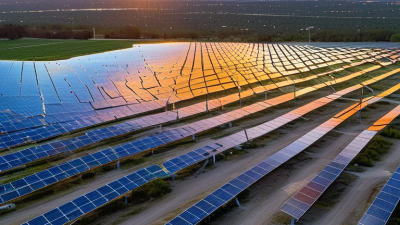
Many homeowners search for free home solar panels after seeing ads promising lower bills with no upfront payment. The phrase sounds simple. The contracts rarely are.
In practice, “free” may describe a solar lease, power purchase agreement, rebate, grant, or community program. Each option has different rules. A provider may install the system without charging upfront. However, you could still make monthly payments or buy electricity under a long-term agreement. Your roof, credit profile, location, and utility policy may also affect eligibility.
Vikram Aggarwal, founder and CEO of EnergySage, offers a useful warning: “The most important thing is to compare your options.” That advice matters here. A trustworthy offer should explain equipment ownership, contract length, maintenance, battery costs, rate increases, and what happens when you sell your home. Ask for every promise in writing. Check the installer’s license, insurance, certifications, and customer history.
Look closely.
A proposal should show estimated production, not just dramatic savings. It should identify panel brands, inverter warranties, expected degradation, and permission requirements. Local incentives can change, and some advertised benefits may depend on household income or tax eligibility. Never assume a tax credit arrives as cash immediately.
This guide explores how to find legitimate free home solar panels programs while avoiding misleading claims. It also examines leases, incentives, nonprofit assistance, and no-money-down financing. Some homeowners may save substantially. Others may discover that a modest loan or energy-efficiency upgrade works better. The imperfect truth is that “free” solar is usually a financing structure, not a gift. Understanding that difference can protect your roof, budget, and long-term energy plans.
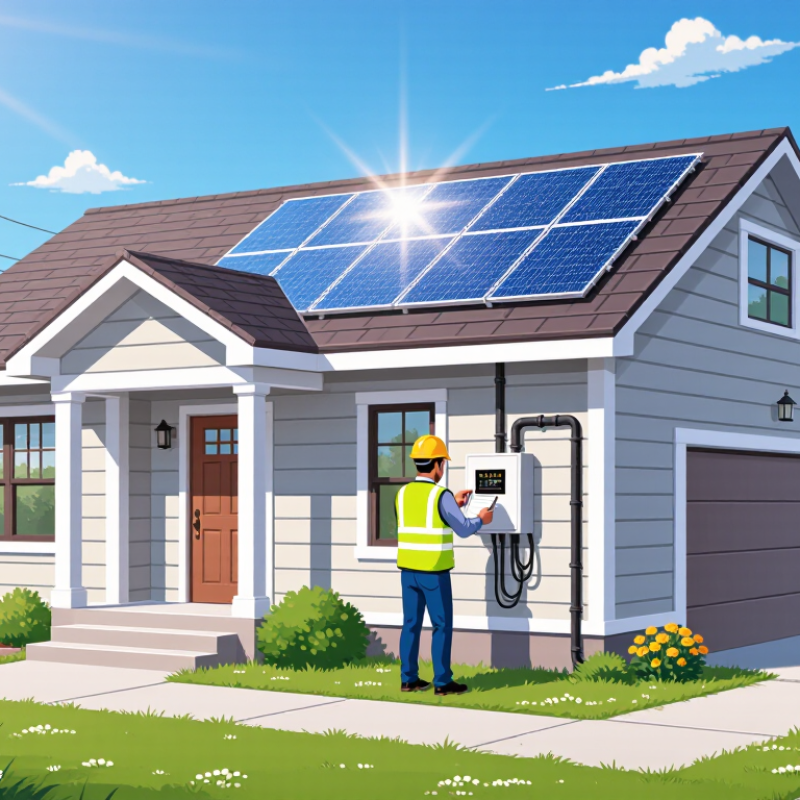
How to Get Free Home Solar Panels?
“What free solar panels” usually means no upfront payment, not free equipment. A provider may install and maintain the system through a solar lease or power purchase agreement. You then pay a fixed monthly fee or purchase each kilowatt-hour produced. The U.S. Department of Energy explains that third-party ownership can reduce initial costs, but the homeowner does not fully own the panels.
Read the contract slowly. The price may increase annually, even when your utility bill changes differently. A 25-year agreement can also affect home sales, roof repairs, insurance, and removal costs. Ask who receives available tax benefits, who replaces failed equipment, and whether batteries are included. Small details matter.
Industry data adds useful context. The Lawrence Berkeley National Laboratory’s Tracking the Sun report found that residential solar prices remained several times higher per watt than utility-scale prices in 2023. The Solar Energy Industries Association and Wood Mackenzie reported strong residential installation growth, showing wider adoption but not universal savings. Your result still depends on roof shade, local electricity rates, system size, and financing terms.
“Free” sounds simple.
It is not always cheaper. A careful homeowner should compare the agreement’s total payments with a cash purchase, loan, and ordinary utility costs. I would also request a production estimate based on the actual roof, not a sales illustration. Forecasts can be wrong, and contracts deserve more attention than the word free.
How to Get Free Home Solar Panels?
“No-upfront-cost” solar programs usually target households with limited income, high energy bills, or qualifying properties. Eligibility often depends on household income, location, utility rules, roof condition, and credit history. Some programs use income thresholds linked to area median income or federal poverty guidelines. Others support renters through community solar subscriptions.
The phrase “free solar panels” can mislead. In many cases, a provider owns the system, while the household pays through a lease or power-purchase agreement. Payments may be lower than the former electricity bill, but not always. The U.S. Department of Energy reports that residential solar costs remain significant, while the 2024 Berkeley Lab Tracking the Sun report placed the median residential installed price near $3.10 per watt in 2023. The federal clean-energy tax credit can reduce eligible costs, but it does not automatically remove upfront payments. Some households also may not have enough tax liability to use the full credit.
Tips: Ask for the total contract cost, escalation clause, roof-repair responsibility, battery terms, and cancellation rules. Compare the expected monthly payment with twelve months of actual utility bills. Request written eligibility criteria from your utility or housing agency. Do not assume approval is guaranteed. I would verify every promise twice, because program funding and rules can change quickly.
| Program or Arrangement | Who May Qualify | What It May Cover | Upfront Cost | Who Owns the System | Important Conditions |
|---|---|---|---|---|---|
| Income-qualified solar assistance | Households meeting income limits set by a state, local government, housing authority, or utility program. | May provide partial or complete installation support, energy-efficiency improvements, or other bill-reduction measures. | Potentially $0 | Usually the homeowner, a public program, or a participating contractor, depending on the grant rules. |
|
| Utility-sponsored solar incentives | Customers in the service area who meet the utility’s technical and program requirements. | Rebates, performance payments, installation assistance, or credits connected to electricity production. | Often reduced; some programs may offer no upfront payment. | Usually the homeowner or a third-party provider. |
|
| Solar lease | Homeowners with adequate credit, a qualifying property, and a roof or site suitable for solar. | Solar panels, installation, monitoring, and often maintenance during the agreement term. | Often $0 upfront | The solar provider generally owns the equipment. |
|
| Power purchase agreement | Property owners in areas where third-party solar sales are permitted and the property passes the provider’s review. | Installation and system operation; the homeowner purchases the electricity generated by the system. | Often $0 upfront | The solar provider generally owns and maintains the system. |
|
| Community solar subscription | Renters and homeowners whose utility account and location are served by an eligible community solar project. | A share of electricity generated at an off-site solar facility, usually represented as credits on the utility bill. | Usually no installation cost; some plans have enrollment fees or minimum payments. | The community solar project owner. |
|
| Federal residential clean-energy tax credit | Eligible taxpayers who install qualifying clean-energy property on a residence in the United States and have sufficient federal tax liability. | A tax credit for qualifying solar electric property and certain related equipment, subject to applicable law and eligibility rules. | Usually requires the homeowner to pay first; it is generally not an instant point-of-sale discount. | The taxpayer who purchases the system generally owns it. |
|
| State, local, or tribal incentives | Residents who meet the requirements of their state, municipality, tribal government, housing authority, or local energy program. | Rebates, tax benefits, low-interest financing, property-tax treatment, sales-tax exemptions, or direct grants. | Varies; some incentives reduce the amount financed rather than eliminating the initial payment. | Usually the homeowner when the homeowner purchases the system. |
|
| Nonprofit or public-housing solar programs | Residents of qualifying affordable-housing properties or households selected by a nonprofit or public agency. | May include shared solar benefits, rooftop systems, energy upgrades, or reduced electricity costs. | Potentially $0 | Often the property owner, housing authority, nonprofit, or project sponsor. |
|
| Financed solar purchase | Homeowners with suitable property and financing eligibility. | System purchase and installation, sometimes including batteries, permitting, and monitoring. | May be $0 down, but interest and fees can increase the total cost. | The homeowner generally owns the system. |
|
| Common property requirements | Homeowners or property owners with legal authority to approve construction and electrical work. | Access to a suitable roof or ground-mount location, adequate structural condition, and grid connection. | Inspection or repair costs may apply before installation. | Depends on the selected ownership or financing arrangement. |
|
| Questions to ask before signing | Anyone considering a “free solar” advertisement, grant, lease, subscription, or power-purchase agreement. | Clarifies the real financial obligation and expected benefits. | Confirm all deposits, fees, escalators, and payment responsibilities in writing. | Confirm ownership, maintenance responsibility, and what happens when the home is sold. |
|
Free solar panels are rarely free. Grants and rebates can reduce the purchase price, but eligibility often depends on income, location, utility rules, and available funding. The U.S. Department of Energy advises homeowners to check state and local programs before signing a contract. Eligible homeowners may also claim a 30% federal clean-energy tax credit, although it reduces tax liability rather than providing instant cash.
Leases and solar power purchase agreements can require little or no upfront payment. Under a lease, you pay a fixed monthly amount. With a PPA, you pay for the electricity produced, often for 15 to 25 years. Review annual price increases, maintenance duties, roof replacement terms, and transfer rules before agreeing. The details matter more than the word “free.”
The Solar Energy Industries Association and Wood Mackenzie reported 32.4 gigawatts of new U.S. solar capacity in 2023, showing strong market growth. However, growth does not guarantee savings for every household. Compare at least three written offers. Ask for estimated production, total payments, and battery costs. The Lawrence Berkeley National Laboratory’s Tracking the Sun report also shows that installed prices vary widely by system size and region. That is easy to overlook. A rebate may look generous, yet a long contract can still cost more than ownership. Check the numbers slowly.
“Free” home solar panels often involve a lease, power-purchase agreement, rebate, or financing arrangement. The panels may cost nothing upfront, but you could still pay monthly charges. Compare the full contract, not the headline offer. Check system ownership, contract length, annual price increases, maintenance duties, and early termination fees. Ask who receives available incentives.
Request written proposals from at least three qualified providers. Each proposal should show panel capacity, estimated annual production, equipment warranties, battery terms, and installation dates. Compare projected savings using your actual electricity bills, not a generic household example. A reliable provider should explain shading, roof condition, winter production, and likely utility changes.
Verify the company’s license, insurance, references, and complaint history through official local agencies. Contact your utility directly to confirm interconnection rules and export-credit rates. Ask for permit details and the name of the responsible installer. Read slowly. Get it in writing.
I would also test the offer’s assumptions. A salesperson once presented an attractive savings estimate that ignored tree shade and future rate changes. That kind of estimate can look precise while remaining uncertain. Do not rely on verbal promises about “free” repairs or guaranteed savings. Review the cancellation period with an independent adviser, electrician, or consumer-protection office before signing. Your roof, payment schedule, and resale plans deserve equal attention.
How to Get Free Home Solar Panels?
What to Review Before Signing a Solar Agreement
“Free solar panels” usually means you avoid the upfront purchase price. You may still sign a lease or power purchase agreement. Read every line. Check who owns the equipment, handles repairs, and monitors system performance.
Ask for the total payment over the full term. Compare it with your current electricity costs, including possible annual increases. A low first-year payment can become expensive later. Check the contract’s performance guarantee, maintenance duties, insurance requirements, and early cancellation fees. Confirm whether batteries, inverters, permits, and roof repairs are included. That detail matters.
Look closely at home ownership changes. If you sell the property, the agreement may need to transfer to the buyer. Some buyers may reject that obligation, delaying the sale. Ask whether the provider can place a lien or other claim on the property. Request written answers, not friendly verbal promises. A qualified solar professional can inspect the proposed system, roof condition, shading, and estimated production. An independent legal adviser can explain unfamiliar clauses.
Tax credits and local incentives may belong to the equipment owner, not you. Verify eligibility through official government sources. I would also compare at least three written offers, although this step is easy to skip when savings sound urgent. Keep copies of every estimate, disclosure, and email. Vague language deserves another question.
“Free” solar usually means a lease or power purchase agreement rather than no cost. Compare the promised savings with the electricity rate you currently pay, and review the contract’s payment escalator, ownership terms, roof responsibilities, warranty coverage, transfer requirements, and cancellation conditions.
The chart shows the U.S. average residential electricity price from 2019–2024, measured in cents per kilowatt-hour. Use your local utility rate—not the national average—when checking projected solar savings. Source: U.S. Energy Information Administration, Annual Average Residential Retail Electricity Prices.