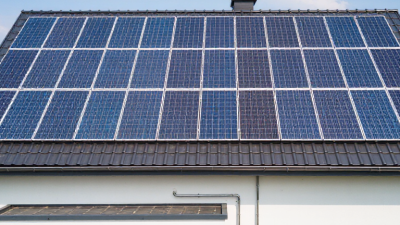
What Is the Cost of Solar Panels for a House?
A rooftop solar system can turn bright afternoon sunlight into electricity, but its price is not one-size-fits-all. When homeowners search “cost of solar panels for house,” they may find very different estimates. Those figures can reflect different system sizes, equipment, installation work, and local conditions. A useful comparison starts with the complete installed price, not just the panels themselves. It varies.
This guide explains the main factors behind a residential solar quote and how to judge what an estimate includes. Your electricity use, roof angle, shading, and available roof space can affect the system design. An older roof may need repairs before installation, while a battery can add a substantial expense. Local incentives may reduce the amount you pay, but eligibility and savings depend on your location and current program rules. Not quite.
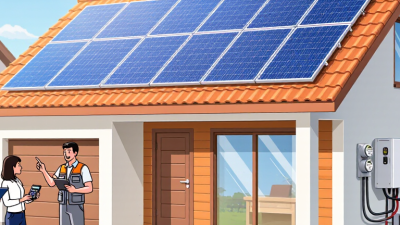
A site assessment and an itemized proposal are more reliable than a broad online average. Check whether the quote lists panels, inverters, labor, permits, monitoring, and any battery separately. Ask how expected production was calculated, especially if trees shade the roof in late afternoon. Even careful estimates can change after an installer inspects the home; that uncertainty deserves a clear explanation. Comparing several detailed proposals can reveal differences in equipment and assumptions, not just headline prices. The goal is not to find the lowest number at any cost, but to understand what you are paying for and whether the projected benefits fit your household’s needs.

Factors That Determine the Cost of a Home Solar System
The cost of a home solar system depends on more than the number of panels. A larger household may use more electricity, but roof direction, shade, and seasonal habits also matter. A roof shaded by a chimney or tall maple may need a different layout than a clear, south-facing roof. Installers typically size a system using past utility bills, then adjust for expected changes, such as an electric vehicle. Those assumptions deserve a close look.
Equipment and labor shape the quote, too. Panel efficiency, inverter type, roof condition, and local installation rates can all affect the total. A steep roof, an older electrical panel, or a long cable route may add work. Batteries raise upfront costs, but their value depends on outage risks, electricity prices, and how the utility credits exported power. Not every home needs one. Get itemized estimates that separate equipment, labor, permits, and optional storage. Compare system size and estimated annual production, not just the final price. Incentives and financing terms can change over time and by location, so verify current details with reliable local sources. Even careful estimates can miss small costs. A second quote may reveal them.
How to Estimate the Initial Cost of Solar Panels
What Is the Cost of Solar Panels for a House?
Estimating the initial cost starts with your home’s energy use. Check twelve months of electricity bills and note seasonal changes. A household using more power may need a larger system, but roof space and sunlight also matter. A site assessment can reveal shading from trees, vents, or nearby buildings.
For a rough estimate, multiply the proposed system size by the installer’s price per watt. For example, an 8-kilowatt system at $3 per watt would cost about $24,000 before optional equipment or incentives. This is an illustration, not a current market quote.
Prices vary by location, roof condition, equipment, and labor. Ask whether the estimate includes panels, an inverter, mounting hardware, installation, and any required electrical work.
Look closely at possible extras. A steep roof, an older electrical panel, or battery storage can raise the upfront total. Still, check carefully. Compare written quotes with the same system size and equipment, and ask what is excluded. Incentives may change the amount you pay, but eligibility and timing depend on where you live. I would not treat the lowest quote as the best one automatically; unclear assumptions can make a cheap estimate look more complete than it is.
Additional Costs of Installation and Equipment
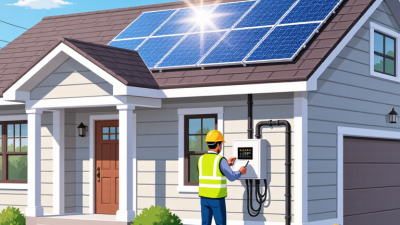
A solar quote covers more than panels. Installation labor, mounting rails, wiring, and an inverter can add materially to the project cost. A home with an older electrical panel may need an upgrade before the system can connect safely. Roof repairs or structural reinforcement can also raise the bill. These needs vary by house, so a remote estimate may miss them.
Equipment choices matter. A battery is usually optional, and its cost depends on capacity and installation needs. Steep roofs, multiple roof sections, long cable runs, or difficult attic access may require extra labor. Some projects also involve permit, inspection, or utility-connection fees. Ask for each item in writing. A line labeled “miscellaneous” deserves a question. I would not assume the lowest quote includes everything; it may omit work discovered during the site visit.
Tips: Request an itemized estimate and ask what could change after inspection. Confirm whether roof work, panel upgrades, permits, and battery installation are included. Keep a small contingency for unexpected repairs. It is easy to overlook.
How Long-Term Savings Compare With the Cost
The purchase price is only half the calculation; the other half is the electricity bill avoided over time. Lawrence Berkeley National Laboratory’s Tracking the Sun 2024 report puts the median U.S. residential solar price at about $3.2 per watt for systems installed in 2023. At that benchmark, an 8-kilowatt system costs roughly $25,600 before incentives or financing. Output depends on roof direction, shade, and local sunlight. An example system producing 10,000 kilowatt-hours annually would be worth about $1,600 a year if every unit offset electricity priced at the 2023 U.S. residential average of 16 cents per kilowatt-hour, reported by the Energy Information Administration.
That is a simple estimate, not a promise. Some homes use solar power when it is generated; others export more electricity and receive lower credits. That gap matters. In the example, dividing $25,600 by $1,600 suggests a 16-year payback, before financing costs, maintenance, or future rate changes. Actual savings can be higher or lower, depending on utility rules and household use. A homeowner can compare recent bills with a system’s modeled monthly production, then check how exported power is credited. The uncomfortable part: a neat payback figure can hide assumptions about rates and usage. Recheck those assumptions against your own bills.