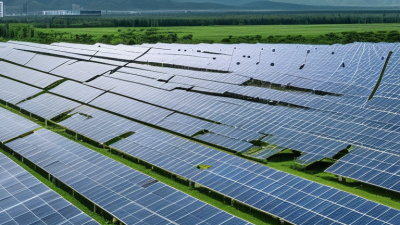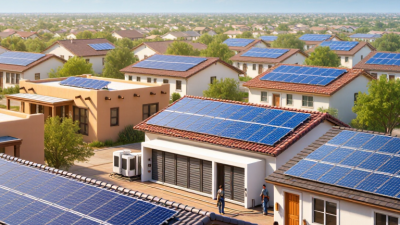
Estimating the cost of solar panels for house begins with more than a price per panel. Homeowners need to consider system size, roof conditions, local labor rates, equipment, and available incentives. A shaded roof or an aging electrical panel can change the final quote. Small details matter.
EnergySage’s 2024 Solar & Storage Marketplace Report reported a median quoted price of $2.80 per watt during the first half of 2024. At that rate, an 8-kilowatt system would come to about $22,400 before incentives, using a simple calculation. This is a marketplace benchmark, not a guaranteed installed price. Your location and project requirements can shift the number substantially. Prices move.
A useful estimate separates equipment and installation costs from potential tax credits or local rebates. Then compare written quotes using the same system size and assumptions. Check whether each includes permitting, roof work, monitoring, and battery storage. These items can be easy to overlook. So can future maintenance.
This guide explains how to build a realistic starting estimate, assess common cost factors, and compare installer proposals. The figures are only a starting point. Solar pricing changes, and published averages cannot capture every roof or household. Treat any online estimate as a prompt for questions, not a final budget. A little skepticism helps.
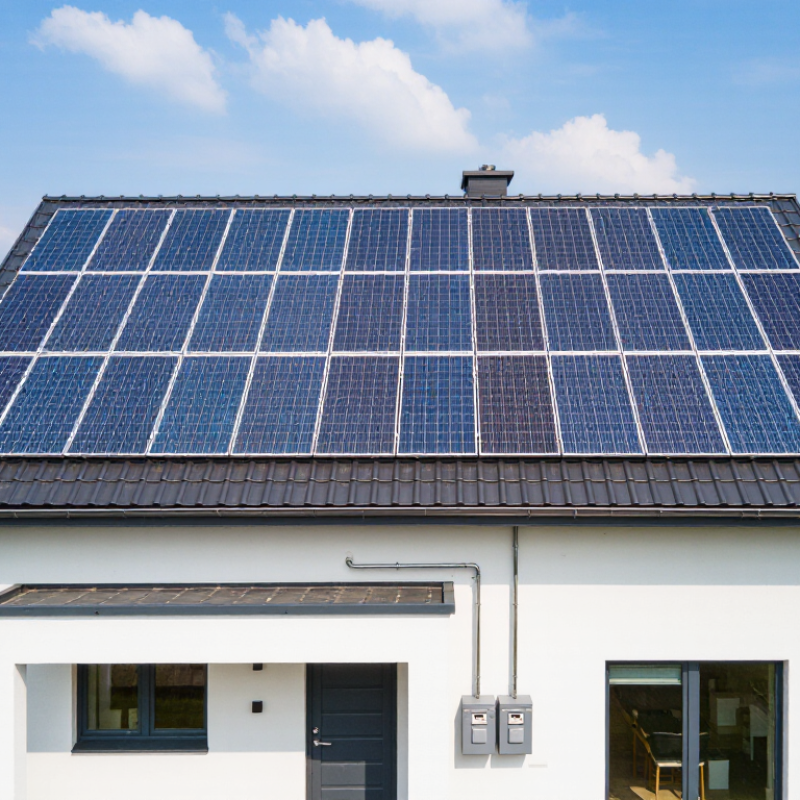
Before estimating solar costs, collect twelve months of electricity bills. Record kilowatt-hours used each month, not just the amount paid. Rates can change, so usage gives a clearer starting point. Look for seasonal peaks. Air conditioning in July or electric heating in January can shift the annual pattern.
Check when electricity is used, too. A household that runs laundry and appliances during daylight may use more solar power directly. If most use happens after sunset, battery storage could be worth comparing, though it adds cost. Keep the goal specific: lower bills, cover most annual use, or prepare for an electric vehicle or heat pump. Small details matter.
Then compare that goal with the home’s practical limits. Roof direction, shade from a tall tree, and usable roof space affect how much energy a system may produce. Local sunlight and equipment losses also shape estimates. A simple online estimate can be useful, but it may miss a neighbor’s afternoon shade or a planned renovation. I would not treat it as exact. Note any expected changes in electricity use before reviewing quotes, and ask how each estimate accounts for them.
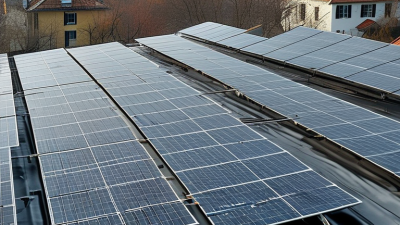
Before pricing panels, inspect the roof itself. Note its age, material, slope, and usable area; a chimney, dormer, or vent can break up an otherwise clear installation zone. Look for curling shingles, soft spots, and water stains in the attic. If repairs are due soon, include them in the budget before installation. A structural professional can assess whether the roof can support the proposed equipment.
Local sunlight matters just as much. Nearby trees, neighboring buildings, roof direction, and seasonal shade can change expected output. The National Renewable Energy Laboratory’s 2016 report, “Rooftop Solar Photovoltaic Technical Potential in the United States,” estimated 1,118 gigawatts of rooftop solar capacity nationwide. That is a broad technical estimate, not a promise for any home. Ask for a site-specific production estimate using local weather data, roof angles, and shading. A neat estimate can still be wrong.
Tips: Photograph the roof from several angles and mark shaded areas at different times of day. Check roof age before comparing quotes. If the attic feels damp, investigate first. I would not treat a sunny-looking roof as proof; winter shade can tell a different story.
These illustrative U.S. planning estimates are for a 6 kW rooftop system before incentives and do not include a battery. Roof repairs, difficult access, or a complex layout can raise the upfront cost. Local sunlight mainly affects how much electricity the system produces: a rough estimate is system size × peak sun hours per day × 365 × 0.8. For a 6 kW system, 4–6 peak sun hours corresponds to approximately 7,000–10,500 kWh per year. Have a local installer assess the roof and site for a more precise estimate.
Begin with annual electricity use, not roof area alone. The U.S. Energy Information Administration reported average household consumption of 10,791 kilowatt-hours in 2022. Your bills may differ sharply. Use twelve months of bills to capture seasonal heating, cooling, and appliance loads.
Divide that annual use by the local solar production estimate to approximate system size. NREL’s PVWatts tool models output using location, roof tilt, direction, and system losses. For example, if a local estimate is 1,300 kilowatt-hours per installed kilowatt each year, a household using 10,400 kilowatt-hours would need about 8 kilowatts. At 400 watts per panel, that is roughly 20 modules. A useful starting point. Shade from one chimney can change the result.
Then check whether the roof can fit the modules, with space for setbacks and clear access. Add an inverter sized for the array, mounting rails, wiring, and electrical protection to the equipment estimate. A battery is optional and should be modeled separately. My first estimate is rarely the final one: roof obstructions, older electrical panels, and future load changes can shift both size and cost. Ask for a site-specific production model, not just a panel count.
Start with the system size recommended for your home, then compare written installation quotes. A quote should separate panels, inverter, labor, permits, electrical upgrades, and any battery. Check whether roof repairs or panel removal are excluded. Those costs can change the total quickly.
For a simple estimate, add the quoted installation costs before incentives. For example:
An $18,000 system minus a confirmed $2,000 local rebate would cost $16,000 before any tax credit.
Treat this as an illustration, not a promise. Rebate rules, deadlines, and eligibility vary by location and project. Some incentives arrive after installation or require an application, so they may not reduce the amount due upfront. The paperwork can feel less tidy than the math.
Ask the installer which incentives are included in the quote and which you must claim yourself. Verify current terms with the relevant government office or utility, and check whether the system must meet specific equipment or installation requirements. Don’t count an incentive until you’ve confirmed you qualify.
Compare the final out-of-pocket estimate, payment schedule, and warranty terms across quotes. Small details matter. A low headline price may leave electrical work or permit fees outside the estimate.
Comparing solar quotes means comparing the same scope, not just the final price. Ask each installer to list system capacity, expected annual output, roof work, permits, and whether a battery is included. Check the production estimate’s assumptions: roof direction, shade from nearby trees, and local weather. A higher estimate may simply assume sunnier conditions. Review workmanship and equipment warranties, service arrangements, payment schedules, and exclusions. Small omissions can become expensive.
For long-term costs, include financing interest, likely maintenance, and possible inverter or battery replacement. Compare that total with expected bill savings using your actual electricity bills and a cautious price assumption. Ask for low, typical, and high production scenarios. Incentives and export-credit rules vary by location, so verify current details with official sources or a qualified local adviser. Payback dates are estimates, not promises. Household use can change, and even careful calculations miss something; I would not budget right to the edge.
Tips: Put every quote in one table. Match system size and financing assumptions. Ask about unusually high output or low prices. Keep the equipment specifications and roof details for future service.